By Just Another Friendly Occupier
In a narrative echoing the resonant clang of a courtroom gavel, we embark on a transgenerational exploration where history, ethics, and modern-day alliances converge. The Ford Pinto case stands as a parable of caution, a historical artifact chronicling the perilous consequences of placing profit margins above human safety. The notorious tale of the Pinto, with its fatally flawed fuel tank design, is not just a recollection of ignitable catastrophes but a pivotal episode that reshaped personal injury law, compelling corporations to face the music of accountability. The decision by Ford to sideline consumer safety in favor of cost efficiency led to a saga of public indignation, legal entanglements, and a legacy that educators and ethicists revisit to this day.
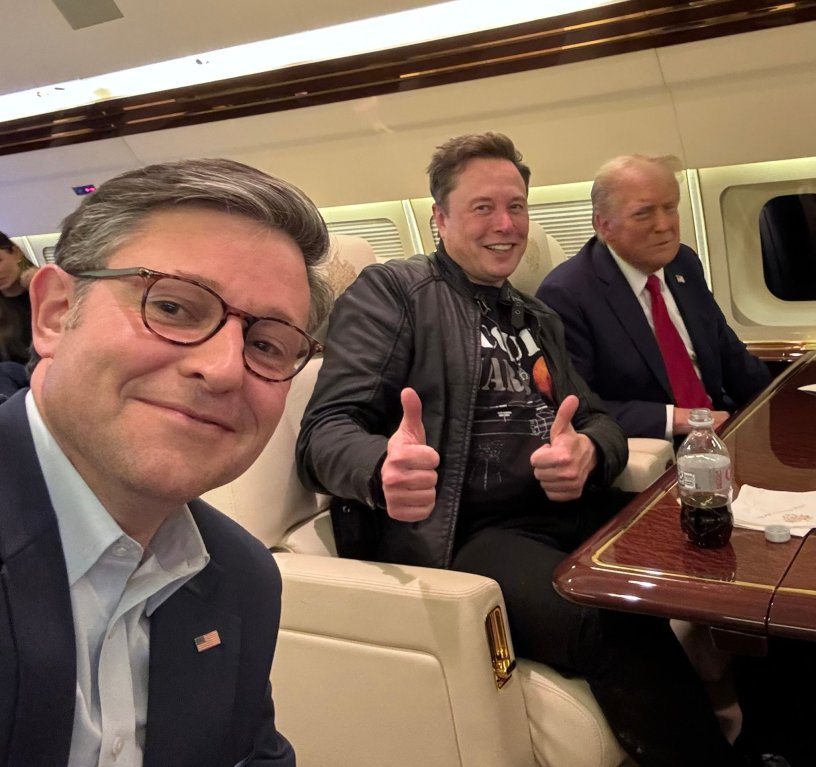
This backdrop leads us to a new chapter fraught with similarly charged implications: Elon Musk’s Tesla, juxtaposed with the deregulation tendencies of the Trump administration. The resonances between the Pinto’s historical lapses and Tesla’s contemporary maneuvers are almost uncanny. Documents and behaviors emerging from the Tesla-White House interactions suggest possible collusions—not mere whispers but substantive narratives that warrant forensic examination.
Tesla’s engagement with deregulation efforts in crash investigation requirements, coupled with the Trump administration’s beneficial overtures towards Musk’s business landscape, suggest a convenient alignment. This synergy casts shadows reminiscent of Ford’s past omissions, intensified by the modern complexities of autonomous driving technologies. The effectiveness and ethical deployment of Tesla’s Autopilot system remain scrutinized as accidents persist within narratives reminiscent of bygone failures. Critical inquiry thus persists over these new-age technologies: are they untested waters, or unfounded confidence, if not carefully monitored?
Our investigation, therefore, invites a re-evaluation of present-day collusions where political favors potentially serve corporate ambitions. We posit that these interactions symbolize a fresh ethical quagmire, echoes of which are loud in this courtroom of public opinion, as potent might-have-beens and foreseeable dangers linger in the wings of regulatory compromise.
In summation, the Pinto ordeal serves as a sentient reminder of the ethical and operational missteps that plague corporate recklessness. These precedents exhort present-day automotive giants and policymakers alike: the path forward must be paved with transparency and unwavering adherence to consumer safety. As we scrutinize these contemporary undercurrents—where corporate clout might mirror political capital—the echoes of history exhort vigilant societal oversight to prevent past mistakes from becoming tomorrow’s grave errors.
 Occupy 2.5