By Just Another Friendly Occupier
As we approach critical moments in our society, the concept of civil disobedience remains a powerful tool for effecting social and political change. Civil disobedience involves the intentional and nonviolent violation of laws to draw attention to perceived injustices. The acceptability of various forms of civil disobedience can differ based on the legal and societal contexts in which they are carried out. In this essay, we will explore several forms of civil disobedience that have gained recognition as acceptable, particularly in the context of movements advocating for social justice and political reform.
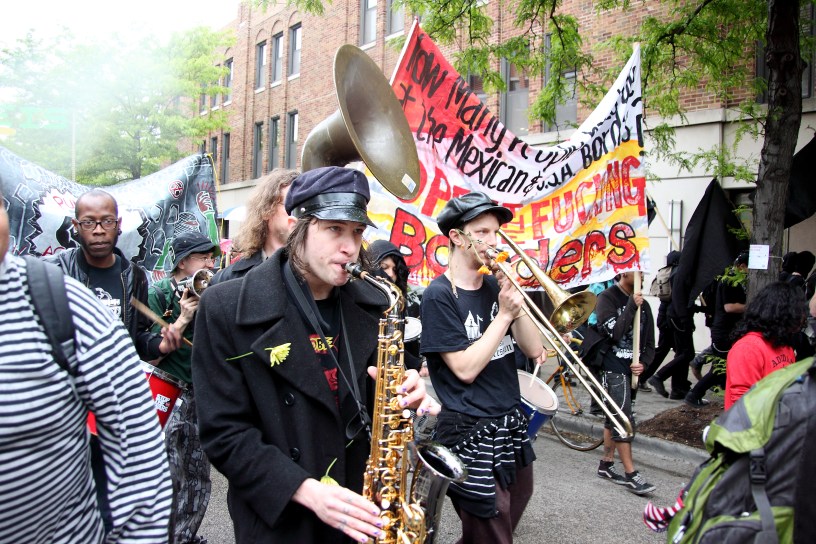
One of the most traditional and effective forms of civil disobedience is peaceful protest. Organizing marches, rallies, and sit-ins has a long history of mobilizing communities and drawing public attention to critical issues. The essence of peaceful protest lies in its nonviolent approach, which often resonates well with the public and can garner significant media coverage. By engaging in peaceful demonstrations, activists can express their dissent while maintaining a commitment to nonviolence.
Another significant form of civil disobedience is the facilitation of voter registration drives. This approach emphasizes empowering marginalized communities that may face barriers to participation in the electoral process. By encouraging individuals to register to vote and ensuring that they are aware of their rights, activists can help build a more inclusive democracy. This form of civil disobedience underscores the importance of making voices heard in the political arena and challenges systemic inequalities that hinder participation.
Nonviolent resistance is another strategy that encompasses a range of actions aimed at disrupting the status quo without resorting to violence. This can include tactics such as blocking traffic, staging sit-ins, or participating in boycotts. The key distinction of nonviolent resistance is its focus on peaceful methods to convey messages of dissent. Activists who engage in these actions are often motivated by a desire to highlight injustices while fostering dialogue rather than inciting conflict.
Symbolic acts can also play a vital role in civil disobedience. Wearing distinctive symbols or clothing that represent a cause can create visibility and spark conversations around important issues. Such acts serve as a reminder of the underlying values and beliefs that drive movements, making complex issues more relatable for the general public. By engaging in symbolic acts, individuals can effectively communicate their commitment to change without resorting to violence or disruption.
Lastly, boycotts are a potent form of civil disobedience that rejects economic participation in systems perceived as unjust. Refusing to purchase goods or services from businesses that support oppressive practices can send a powerful message about consumers’ values. Boycotts can mobilize collective action and pressure companies and institutions to reconsider their policies while demonstrating the significance of ethical consumerism.
While these forms of civil disobedience can effectively raise awareness and promote social change, it is essential for participants to be mindful of legal implications and potential consequences. Engaging in these actions requires a balance between advocating for justice and respecting the rule of law. Staying informed about local laws and fostering discussions around the ethics of civil disobedience can further enhance the effectiveness of these actions.
As we navigate the complexities of advocacy and resistance, it is crucial to recognize that civil disobedience is not merely about disobeying laws but rather about drawing attention to injustices and advocating for meaningful change. By understanding and embracing these forms of protest, individuals can contribute to a collective movement seeking a more just and equitable society. Ultimately, civil disobedience remains a vital tool in the ongoing struggle for social justice and a testament to the power of grassroots activism.
Photograph by: Mikasi from Kenosha, USA, CC BY 2.0 https://creativecommons.org/licenses/by/2.0, via Wikimedia Commons
 Occupy 2.5