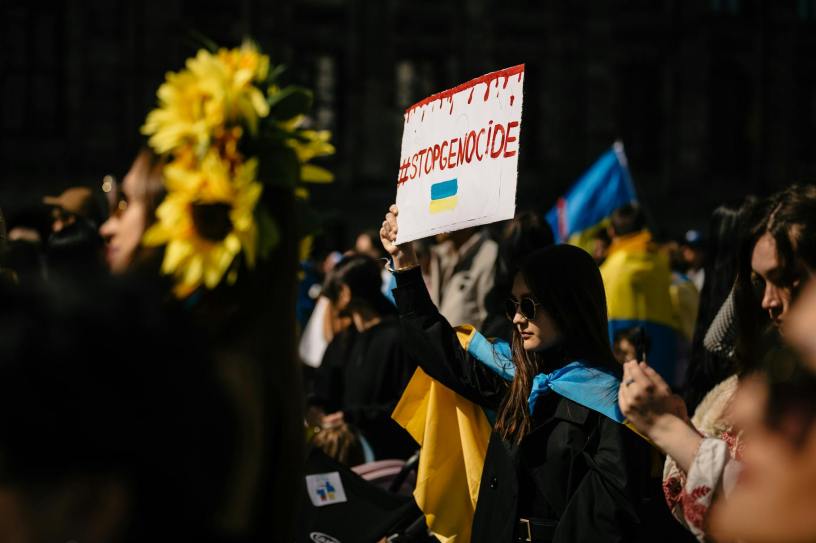
In a striking political maneuver, Senator Marco Rubio has moved to suspend nearly all US foreign aid, a decision that has ignited outrage among lawmakers and global allies. This action is perceived as a significant betrayal of the bipartisan efforts that culminated in a carefully crafted aid package, aimed at assisting nations under threat, particularly from Russian aggression. Congress’s dedication to international support and stability faced a grave challenge, as Rubio’s directive undermines the trust established with both domestic constituents and foreign partners.
The repercussions of this halt in aid are severe; allies who rely on US support in their struggle against external threats now find themselves increasingly vulnerable. This uncertainty raises substantial concerns about regional stability and the credibility of the United States as a reliable partner on the world stage. The absence of US assistance could drastically impact humanitarian efforts and defense capabilities for countries caught in volatile geopolitical landscapes.
As calls for accountability resonate through Congress, many are advocating for a re-evaluation of this unilateral halt to aid, emphasizing the importance of maintaining commitments to democracy and collective security. The unfolding situation reflects a deeper ideological struggle within US foreign policy and may shape international relations for years to come.
For more details, visit: Secretary of State Marco Rubio orders halt to almost all U.S. foreign aid.
 Occupy 2.5