In recent years, the Alternative for Germany (AfD) has become a focal point in the political landscape of Germany, often generating both fervent support and steadfast opposition. Founded in 2013 against the backdrop of growing Euroskepticism, the AfD has shifted its platform from economic disenchantment to a starker nationalist agenda, amplified by concerns over immigration and Islam in Germany—themes that have polarized the German electorate.
Originally conceived as a response to the euro-zone debt crisis, the AfD was born from a faction dissatisfied with former Chancellor Angela Merkel’s centrist policies and her persistent embrace of the European Union. The party’s establishment marked Germany’s venture into an era of right-wing resurgence, challenging prevailing political norms. In 2015, amid Europe’s migrant crisis, the AfD pivoted its platform toward strict anti-immigration policies, gaining traction with populist, and often xenophobic, rhetoric that capitalized on public fears.
By 2017, the AfD secured parliamentary representation, though it consistently faced allegations of racism and Islamophobia, especially with staunch opposition to Islamic practices in Germany. Despite these accusations, the party thrived on its nationalistic sentiments—a revival that harks back to the contentious memories of Germany’s past.
However, the party’s growth hasn’t been without significant setbacks. A series of scandals in 2024 involving espionage, undisclosed foreign funding, and controversial statements from its leaders like Maximilian Krah and Petr Bystron, have tainted its legitimacy.
Maximilian Krah attracted negative attention after asserting that not all individuals associated with the SS during the Nazi period were inherently bad. Petr Bystron asserted that he was the target of a “defamation campaign” following revelations about his financial links to a Russian disinformation entity.
These incidents, combined with internal struggles, have left the AfD at a critical juncture, where its future influence hangs in the balance, under scrutiny both at home and abroad.
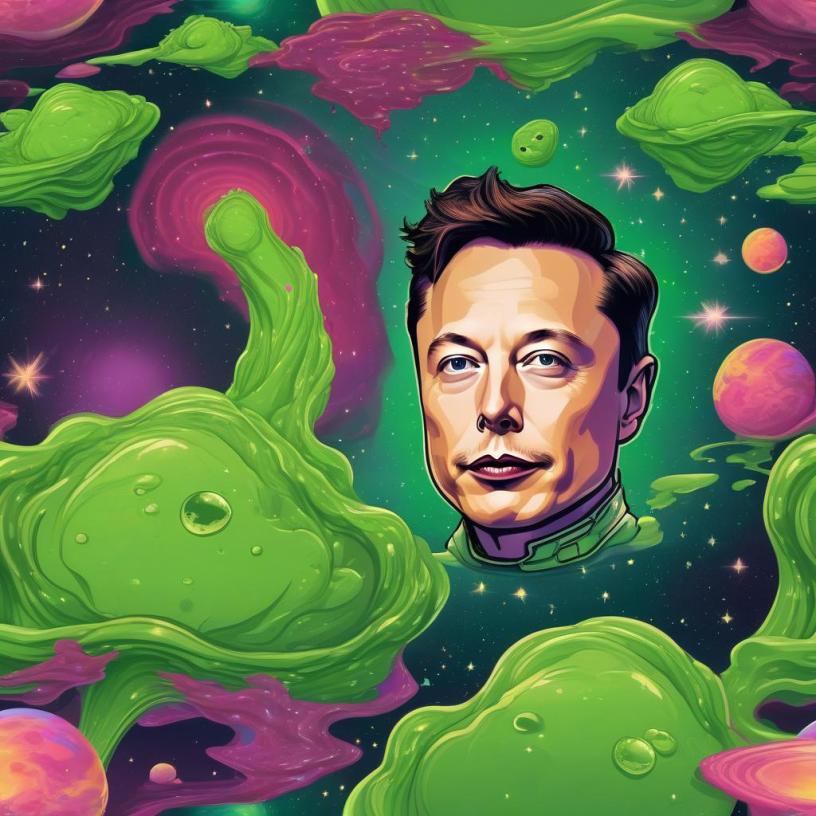
Recent headlines drastically intensified during Elon Musk’s unexpected appearance at an AfD event. His presence sparked debates over potential political endorsements, highlighting the complex intersection of global business influence and national politics.
Elon Musk’s alleged regular interactions with Russian President Vladimir Putin have sparked worries among U.S. lawmakers regarding potential national security threats, leading to calls for investigations into how this relationship may affect Musk’s role as a significant U.S. government contractor via SpaceX.
The billionaire’s actions, interpreted variably as tacit support or merely a move shrouded in mystery, have fueled dialogues on accountability and the reach of cultural icons in political realms.
As the AfD plies its controversial path, its impact on Germany’s political fabric, and its broader implications on the international stage, remain subjects of heated discussions. The party stands at a crossroads—challenged by its past, scrutinized in its present, and uncertain of its future direction.
Source: Matthias, M.. “Alternative for Germany.” Encyclopedia Britannica, January 23, 2025. https://www.britannica.com/topic/Alternative-for-Germany.
If everyone is thinking alike, someone isn’t thinking.
General George Patton
 Occupy 2.5