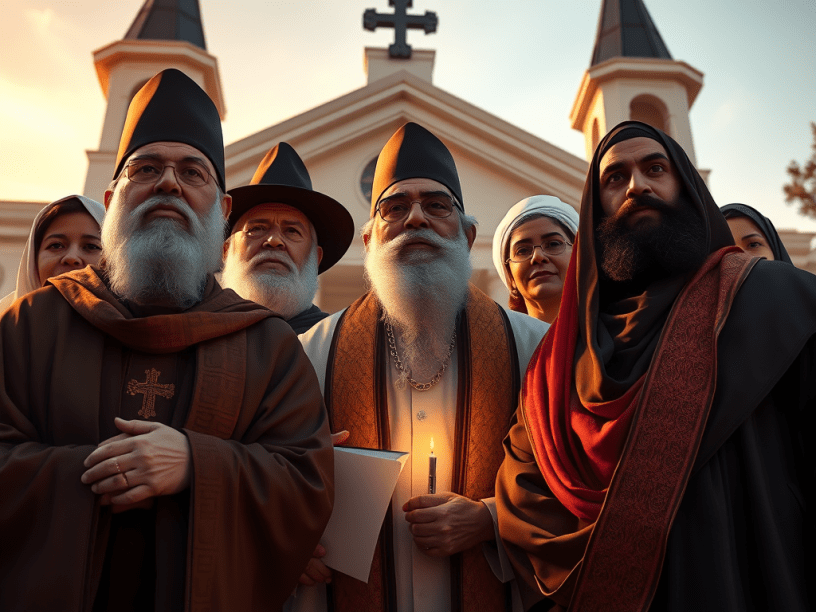
Religious Groups Sue to Protect Houses of Worship Amid Immigration Concerns and Evolving Legal Landscape
In a landmark legal action, 27 religious groups have filed a lawsuit against the Trump administration, seeking to protect houses of worship from the threat of immigration arrests. This pivotal case, filed in U.S. District Court, sheds light on the ongoing debate surrounding the intersection of immigration policy and religious freedom. Faith communities across the nation have expressed deep concerns about the repercussions of government actions on their congregations, with many witnessing decreased attendance due to apprehensions about immigration enforcement.
The lawsuit contends that the presence of immigration agents at places of worship undermines the sanctity of these spiritual havens and fosters an atmosphere of fear among congregants. Many religious leaders articulate that the faith community is a refuge for individuals and families, and the risk of raids can deter vulnerable populations from seeking comfort and support within their churches, synagogues, or mosques.
In light of recent immigration policies that prioritize enforcement in a wider array of public spaces, including churches, the case raises significant legal questions about the separation of church and state, and the extent to which federal authorities can operate within religious institutions. The lawsuit argues that immigration enforcement actions violate the Religious Freedom Restoration Act (RFRA), which aims to protect individuals’ rights to practice their faith without government interference. Legal experts are closely monitoring the developments, as the outcome of this case could set a precedent affecting both immigration enforcement practices and the legal protections for religious institutions.
As these vital stories continue to unfold, residents are urged to stay informed through trustworthy news outlets such as USA Today and CNN, which offer extensive coverage and insightful analysis on these critical matters. The complexities of immigration policy and religious freedom intersect in ways that require careful consideration and ongoing dialogue within the affected communities.
 Occupy 2.5