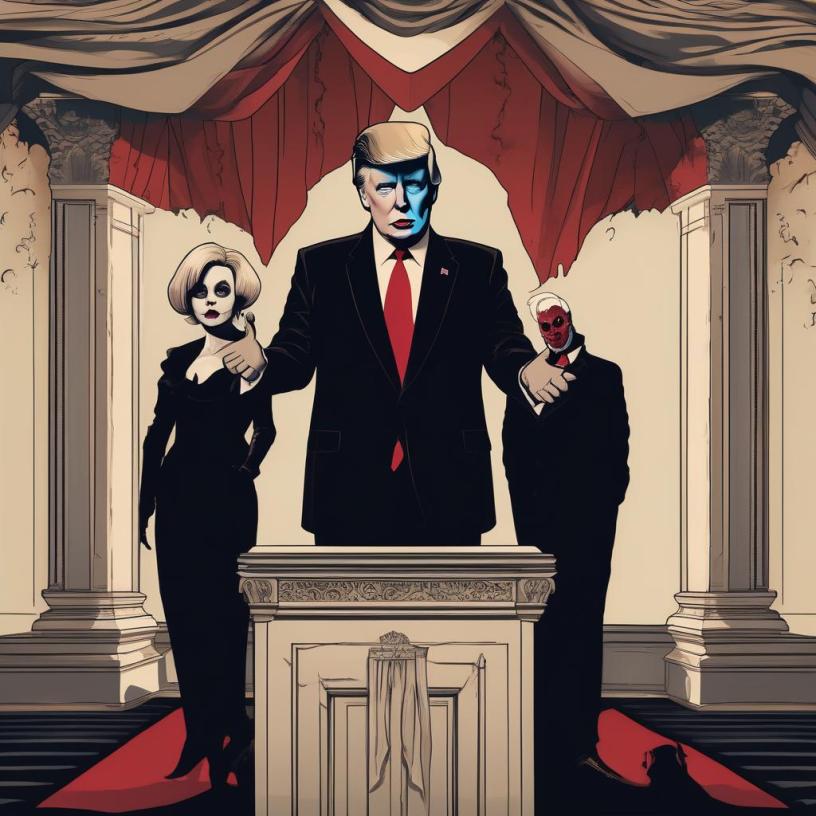
Umberto Eco was an Italian medievalist, philosopher, semiotician, and novelist renowned for his scholarly works as well as his popular fiction. He was born on January 5, 1932, in Alessandria, Italy, and passed away on February 19, 2016. Eco is celebrated for his ability to blend complex academic theories with engaging narratives, making him a unique figure in both the literary and academic worlds.
Eco earned a degree in medieval philosophy and literature from the University of Turin, where his fascination with the medieval era began. His academic pursuits led him to the field of semiotics, the study of signs and symbols, where he made significant contributions that cemented his reputation as a leading intellectual figure. Umberto Eco’s work in semiotics extended to examining how texts communicate meaning, influencing fields as diverse as literature, communication, and cultural studies.
In addition to his academic work, Eco is best known for his debut novel, “The Name of the Rose,” published in 1980. This novel, a historical murder mystery set in a 14th-century Italian monastery, showcased his deep knowledge of the medieval period along with his skillful storytelling. The book became an international bestseller and was adapted into a film in 1986. Eco’s other notable novels include “Foucault’s Pendulum,” “The Island of the Day Before,” and “Baudolino,” all characterized by intricate plots and rich historical contexts.
Eco’s influence extends beyond his literary and academic achievements. He was a public intellectual who frequently commented on contemporary social and political issues, often discussing the role of media and communication in shaping modern societies. His essay “Ur-Fascism,” in which he outlined common traits of fascism, remains influential in discussions about political ideology.
Throughout his career, Eco received numerous honors and awards, recognizing his vast contributions to literature and the humanities. As a writer who successfully bridged the gap between academia and popular culture, Umberto Eco’s legacy continues to inspire readers, scholars, and thinkers around the world.
Umberto Eco, in his essay “Ur-Fascism,” outlined several characteristics of what he considered to be a fascist ideology. While he didn’t specifically list 14 “points,” his description of fascism is often broken down into key elements. Below, I’ve interpreted and listed 14 points commonly attributed to Eco’s description, and correlated them with observations commonly made about Donald Trump’s presidency. This is a complex topic, and these correlations are subject to interpretation and debate:
- Cult of Tradition – Emphasizing traditional values and nostalgia for the past.
Trump: Use of “Make America Great Again” as a slogan. - Rejection of Modernism – Opposition to modern and liberal developments.
Trump: Criticism of progressive policies and intellectuals. - Cult of Action for Action’s Sake – Emphasizing action over intellectualism.
Trump: Frequent rallies and executive actions. - Disagreement is Treason – Intolerance of dissent and criticism.
Trump: Criticism of the media and labeling them “fake news.” - Fear of Difference – Exploiting xenophobic sentiments.
Trump: Proposals like the travel ban on certain countries. - Appeal to a Frustrated Middle Class – Rallying support from those feeling deprived.
Trump: Targeting economically anxious demographics. - Obsession with a Plot – Conspiracy theories about external or internal threats.
Trump: Claims about election fraud and “deep state.” - Enemies as Both Strong and Weak – Contradictory portrayal of enemies.
Trump: Describing opponents in various conflicting terms. - Pacifism is Trafficking with the Enemy – Hostility towards peace movements.
Trump: Military build-up and aggressive rhetoric. - Contempt for the Weak – Disdain for perceived weakness.
Trump: Mocking certain individuals and groups publicly. - Everybody is Educated to Become a Hero – Glorification of heroism and martyrdom.
Trump: Strong focus on patriotism and military heroes. - Machismo and Weaponry – Celebration of masculine virtues and weapon use.
Trump: Support for gun rights and military initiatives. - Selective Populism – Claiming to represent the voice of the common people.
Trump: “I alone can fix it” rhetoric and anti-establishment stance. - Newspeak – Simplified language to limit critical thinking.
Trump: Simple, direct, and repetitive language in speech.
These interpretations are subjective and can vary greatly based on perspective. It’s always beneficial to engage in further reading and discussion to develop a more nuanced understanding.
Thank you, Kelvene Requiroso, for initiating this discussion.
Kelvene Requiroso is a writer interested in the interplay between technology and society. He’s the director of ISMS Robotics, which promotes technology education in private and public schools (K-12)
 Occupy 2.5