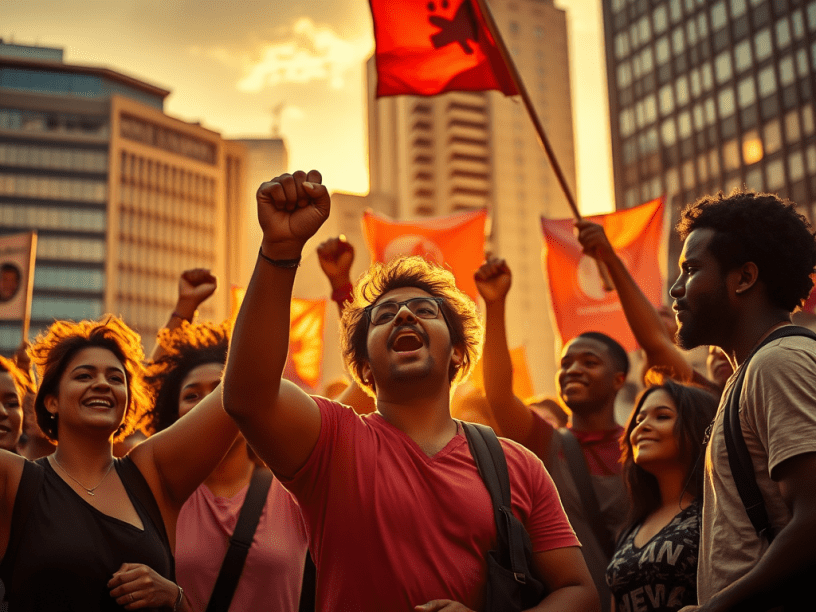
Planning the Revolution: A Reflection and Summary
As an experiment, I searched for “how do I start a revolution?” and was surprised to find detailed guidance on wikiHow. The article emphasizes the importance of having a solid plan; without one, we are like flotsam adrift in the wind. I speak from personal experience when I say that planning is essential in life.
The only way to support a revolution is to make your own.
Abbie Hoffman
Hey everyone, let’s talk about the serious issues we’re facing in the U.S. right now, especially with President Trump and his congressional crew. They are a real threat to all of us who’ve been paying into Social Security, and they’re putting our hard-earned pensions at risk because of unelected oligarchs calling the shots.
Social Security isn’t broke; it’s been drained by Republicans to pay for their wars in the Middle East, and that’s seriously messing with our future!
Since taking office on January 20, 2025 (one month ago today) , Trump has thrown our country into chaos with a constant stream of controversial executive orders that mess with our democratic values and legal systems. It’s been like “one crazy decision a day,” leaving us all confused and on edge about what’s next.
These decisions have forced many scientific organizations to pause their work, which shows just how far his policies reach. Critics say this is damaging to our democracy, creating instability and strife. We’ve entered a wild ride filled with abrupt choices that leave us uncertain about the future.
So, let’s stay aware and united against those who threaten our financial security and rights. Together, we can fight for what’s right and ensure our voices are heard!
It’s time to strategize for the revolution.
Here’s a comprehensive summary of the key points from the article “How to Start a Revolution” on wikiHow.
How to Start a Revolution: Essential Steps
- Choose a Leader and Symbol: The success of any revolution relies on strong leadership. Identify a charismatic figure who embodies the movement’s values and can mobilize support. Alongside this leader, select a powerful symbol that resonates emotionally with the public, fostering unity among supporters.
- Set a Clear Goal: Defining a clear purpose is crucial for revolutionary efforts. Whether your aim is to raise awareness about a pressing social issue, advocate for policy changes, or spotlight systemic injustices, a well-articulated goal provides direction and motivates the movement.
- Unite People: Building a coalition of like-minded individuals is fundamental to the sustainability of a revolution. Reach out to those who share your vision, creating a supportive community that encourages collaboration and solidarity. Unity in purpose amplifies the movement’s impact.
- Embrace Ideology: Clearly articulate and champion the guiding principles of the revolution. Whether these principles focus on political reform, social justice, or economic equity, engage with local organizations and movements aligned with your ideology to strengthen and broaden your base.
- Take Action: Action must back your words. Organize protests, rallies, and other forms of activism to demonstrate collective resolve and draw public attention to your cause. The visibility gained from these actions can inspire others to join the movement.
By following these strategic steps, individuals can effectively mobilize support and lay the groundwork for a revolutionary movement that inspires change.
Abbie Hoffman was a prominent American political activist, social revolutionary, and co-founder of the Youth International Party (Yippies), best known for his role in the countercultural movements of the 1960s and 70s. Born on November 30, 1936, in Worcester, Massachusetts, Hoffman gained notoriety for his unconventional tactics and charismatic personality, using humor and theatricality to engage the public in political discourse. He became a key figure in protests against the Vietnam War, advocating for peace, civil rights, and freedom of expression. Hoffman’s most famous moment came during the 1968 Democratic National Convention in Chicago, where he led a group of anti-war demonstrators in a protest that drew national attention. His activism was marked by a belief in grassroots movements and the rejection of traditional political norms, as he sought to inspire youth to challenge authority and demand social change. Hoffman’s legacy endures as a symbol of radical activism and the enduring struggle for justice and equality in America.
For Further Reading:
 Occupy 2.5