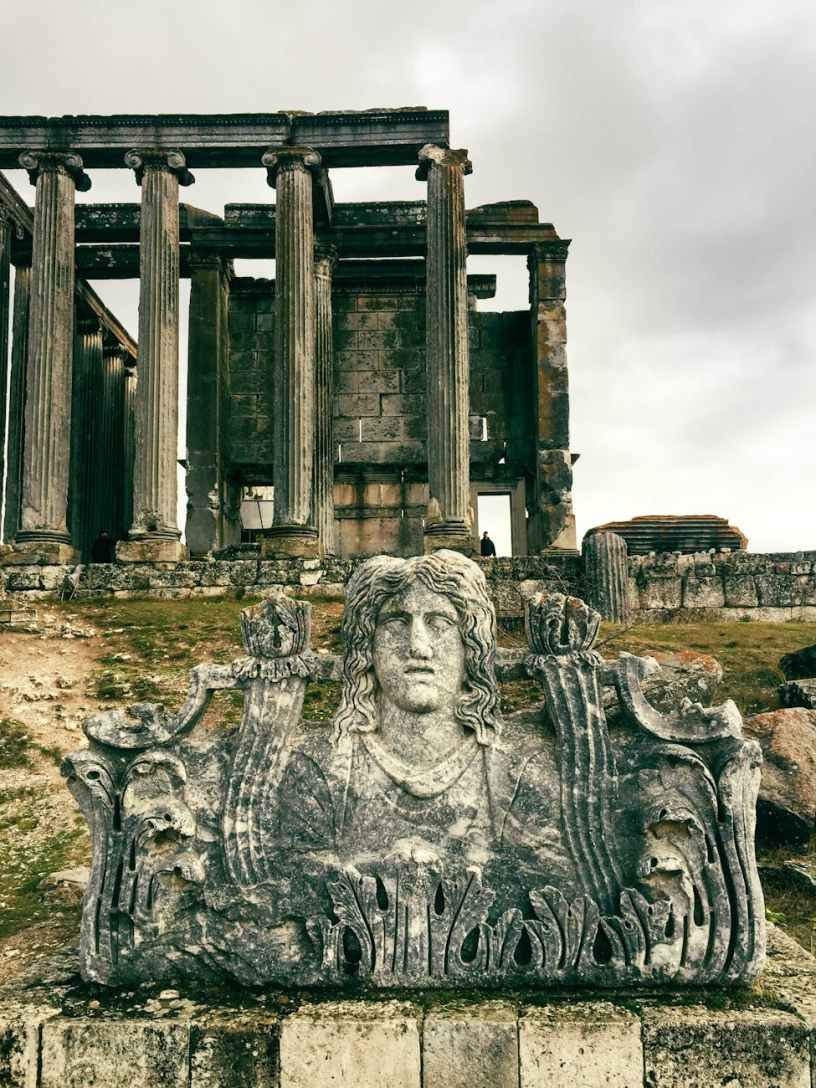
In a fascinating exploration of our planet’s vast waters, researchers have traced the historical names given to what we now recognize as the Atlantic Ocean, revealing a rich tapestry of cultural significance and understanding. From ancient Greece to the modern era, the Atlantic has held a plethora of names, illustrating humanity’s evolving relationship with this great body of water.
In the earliest recorded history, the ancient Greeks referred to the Atlantic as “Oceanus,” a term that encompassed their view of a great river encircling the Earth. This mythical representation depicted the ocean as a personified god, reflecting the reverence and mystique surrounding the vast waters that separated lands and cultures.
As civilizations advanced, so too did the names for the Atlantic. Roman scholars adopted and adapted the term, continuing the tradition of associating the ocean with grandeur and depth. Other cultures contributed their own designs, such as calling portions of the ocean the “Sea of the West,” denoting the exploration of new territories and the unknown.
The name “Atlantic Ocean” itself began to gain more widespread usage during the Age of Exploration in the late 15th and early 16th centuries, particularly after Christopher Columbus’s voyages to the New World. The term is derived from the mythological figure Atlas, a Titan in Greek mythology who was said to hold up the heavens and is often associated with maps of the world. This name emerged due to its position west of Europe and Africa, bordering the land of Atlas—said to be located near the ancient and mythological land of Atlantis.
Although it is difficult to pinpoint an exact date or individual who officially designated it as the “Atlantic Ocean,” the name became more standardized in European maps and texts over the 16th century as exploration expanded and cartography developed. Thus, the official naming can be seen as a gradual evolution rather than a singular event, tied closely to the narratives of exploration, mythology, and the connections made between continents during a time of great discovery.
Fast forward to modern times, and the Atlantic Ocean is recognized as a critical artery for global trade, cultural exchange, and ecological diversity. Understanding the evolution of its name provides insight into how humanity has perceived and interacted with this magnificent ocean throughout history. There is also a contemporary argument that suggests renaming the Atlantic Ocean to “Oceanus,” in light of it having no real connection to Atlantis and reflecting historical naming conventions similar to retaining “Gulf of Mexico” instead of “Gulf of America.”
As we reflect on the stories etched in the sands of time, the name “Atlantic Ocean” serves as a reminder of both our past and our collective journey toward the future.
Paranormal Patrol
Dive into the spine-tingling world of Paranormal Patrol: True Tales from the Night Shift, where the mundane meets the truly extraordinary! For over four decades, a dedicated security officer shielded the night, uncovering chilling experiences that defy explanation. With each turn of the page, you’ll find yourself immersed in eerie encounters—unexplainable sounds echoing in deserted halls, spectral figures appearing just when you think you’re alone, and objects that seemingly gain a life of their own. This gripping memoir is more than just a collection of ghost stories; it’s a haunting exploration of the mysteries that lurk in the shadows and the thin veil that separates our world from the supernatural. Whether you’re a fierce skeptic or a die-hard believer, prepare to have your mind shaken and your beliefs challenged. Paranormal Patrol isn’t just a read; it’s a journey into the unknown that will leave you questioning what you thought you knew about reality. Don’t miss out—grab your copy today and step into the night!
 Occupy 2.5