Introduction
The Occupy Movement, which erupted in the fall of 2011, sought to challenge economic inequality and corporate influence in politics. Centered around the iconic slogan “We are the 99%,” the movement gained global traction and symbolized a collective discontent with capitalism and existing political systems. However, between 2011 and 2014, the movement faced significant challenges that ultimately tarnished its brand. This essay explores the internal and external factors that contributed to the Occupy Movement’s brand damage during these crucial years.
The Rise of Occupy: Initial Brand Strength
I began with Occupy Wall Street On-Line in July 2011
Cliff Potts
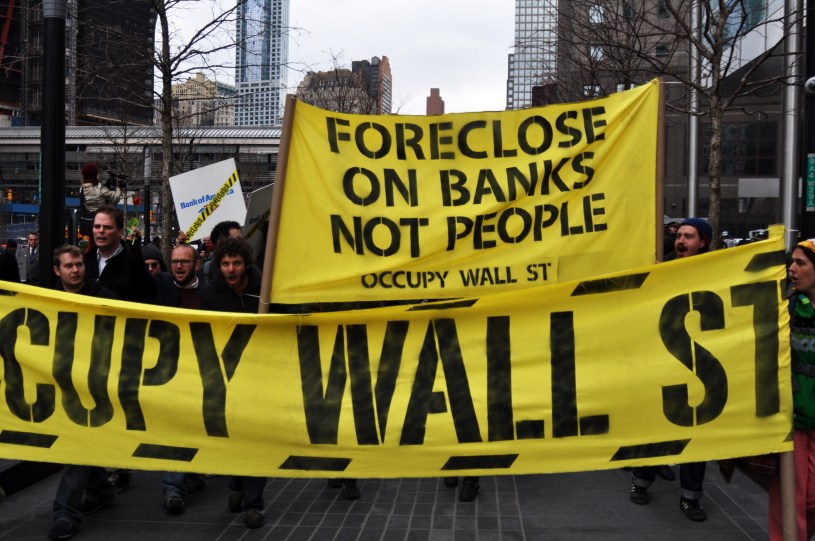
Originally, the Occupy Movement was characterized by a powerful, unifying narrative. The imagery of protestors encamped in public squares, particularly in Zuccotti Park in New York City, galvanized individuals disillusioned with economic disparities. The decentralized structure allowed diverse voices to contribute, fostering a sense of inclusivity and solidarity. The movement attracted widespread media attention and public support, presenting a brand that resonated with a broad audience frustrated by the status quo.
Exploring Internal Divisions
Despite its initial success and brand strength, internal conflicts rapidly emerged, leading to considerable brand damage. The decentralized nature of the movement, while empowering, also led to fragmentation. Different groups emerged with varying priorities—for example, environmentalists, labor unions, and social justice advocates—which diluted the original message. Without a cohesive strategy, the movement struggled to present a unified front, leading to misunderstandings and misinterpretations of its objectives.
The disagreements also manifested in conflicting tactics. Some factions advocated for nonviolent protest, while others supported more radical approaches. Such divisions not only alienated potential allies but also created confusion among supporters about the movement’s goals. As media coverage began to highlight these rifts, the effectiveness of the Occupy brand weakened, leading to a perception that it lacked focus and cohesion.
Media Narratives and Public Perception
As the movement progressed, media portrayals began to shift from sympathetic coverage to a focus on conflicts and criticisms. Reports of police confrontations, sanitation issues within encampments, and even instances of violence overshadowed the movement’s original message of economic justice. The media’s tendency to highlight sensational stories contributed to a narrative that positioned Occupy as chaotic rather than constructive.
The involvement of anarchist groups and other radical factions exacerbated public perception issues. While these groups sought to address systemic injustices, their presence often overshadowed the more moderate voices within Occupy. Consequently, public support waned as potential allies perceived the movement as less of a legitimate political movement and more of a disorganized protest.
The Decline of Physical Spaces
The physical presence of Occupy encampments was a crucial component of its brand identity. However, by 2012, many encampments faced eviction, undermining the visibility and solidarity that the physical spaces provided. The loss of these hubs of protest stripped the movement of its ability to mobilize and attract new supporters. As encampments diminished, so too did the media coverage, which further marginalized the movement’s message.
The decline of physical spaces also impacted the movement’s internal dynamics. The lack of a communal space limited opportunities for dialogue and collaboration, leading to further fragmentation. The transition from physical protests to digital activism, while innovative, made it challenging to maintain the vibrant imagery and solidarity that once defined Occupy.
Conclusion: Reflections on Brand Damage and Legacy
The Occupy Movement’s trajectory from 2011 to 2014 illustrates how internal divisions, shifting media narratives, and the decline of physical spaces contributed to significant brand damage. While the movement undeniably raised awareness about economic inequality and corporate malfeasance, it struggled to maintain a coherent identity amidst internal conflicts and external pressures.
Looking back, the lessons learned from the Occupy Movement can inform current and future social movements. The importance of a unified message, effective communication, and the ability to adapt to changing circumstances cannot be overstated. Although the Occupy Movement as a brand faced immense challenges, its legacy endures as a foundational moment in the ongoing struggle for economic justice and equity.
We Are Still the 99%
We can take back our USA by igniting a collective movement rooted in civic engagement, unity, and a resolute commitment to democratic principles. It begins with each of us recognizing the power of our voices, voting with intention, and holding our leaders accountable to the values of transparency, fairness, and equality. By prioritizing grassroots activism and fostering inclusive dialogues across diverse communities, we can dismantle the barriers that have separated us for too long. Let us champion policies that reflect the needs of the many, not the privileged few, and empower each other to actively participate in shaping a future where justice and opportunity are accessible to all. Together, we can reclaim our country’s promise, ensuring that the core ideals of liberty and justice truly belong to every American.
99% – The Occupy Wall Street Collaborative Film
99% – The Occupy Wall Street Collaborative Film is a compelling documentary that chronicles the rise of the Occupy Movement, which took root in 2011 as activists gathered in Zuccotti Park, New York City, to challenge the economic disparity between the wealthy elite and the 99% of Americans. The film highlights the diverse group of individuals united by a common goal of establishing a more equitable society and showcases how similar movements sprung up in cities across the nation. Amidst their efforts to create meaningful change, the activists faced significant obstacles, including misunderstandings about their goals and violent responses from law enforcement. Through insightful commentary from participants, experts, and critics, “99%” paints a nuanced portrait of a movement wrestling with its identity and purpose in the face of growing adversity, ultimately exploring the question of its future in a society grappling with economic injustice and disillusionment.
 Occupy 2.5