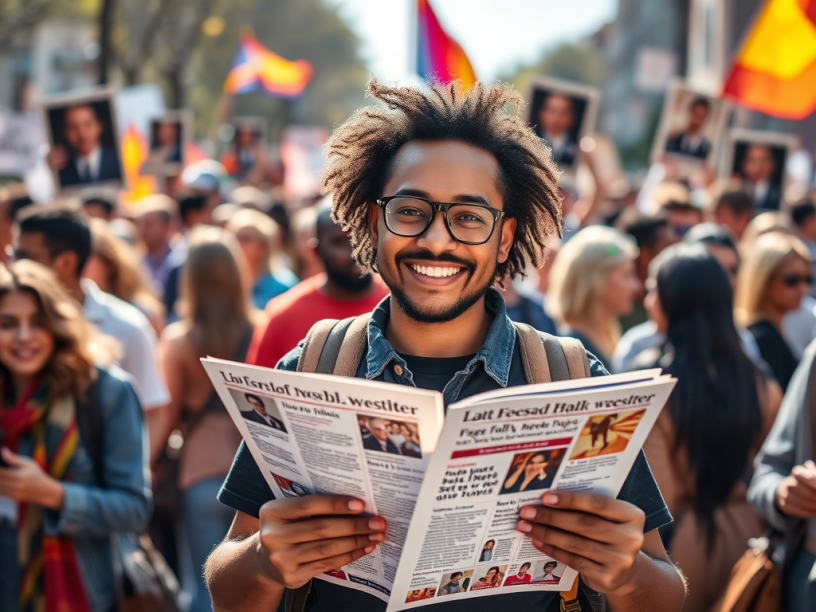
If one finds themselves grappling with the frustrating experience of a shadow ban, there is an effective old-school method to regain visibility and connect with your audience. This approach emphasizes the importance of personal engagement and creativity.
Firstly, the individual should utilize a word processing program, such as Microsoft Word or Google Docs, that offers the functionality to format a newsletter. The goal is to compile a compelling document filled with their best stories—content that resonates with their target audience. To enhance clarity and flow, it’s advisable to leverage AI tools for editing, ensuring the writing meets an eighth-grade reading level, which is the standard for many newspapers across the United States.
Once the newsletter is polished and ready, the next step involves printing it out to produce both a front page and a back page.
The next phase of the plan involves visiting a copy center of their choice and making about 25 copies of the completed newsletter. Choosing an off-white paper, such as Navajo White, can give the publication a distinctive look that stands out.
With physical copies in hand, the individual should then head to a local protest site or an area where their audience is likely to gather, and begin distributing the newsletters.
Importantly, each copy should include the individual’s domain name, creating a pathway for readers to connect online. This grassroots approach not only raises awareness but also helps in establishing a personal brand.
Ultimately, the key to overcoming shadow bans lies in stepping out into the community and making meaningful connections. By taking to the streets and sharing content in person, individuals can effectively reach their audience and build a name for themselves despite the limitations imposed by a shadow ban.
One last thing: pick up any copies that get dropped on the ground. You don’t want to be accused of littering.
 Occupy 2.5