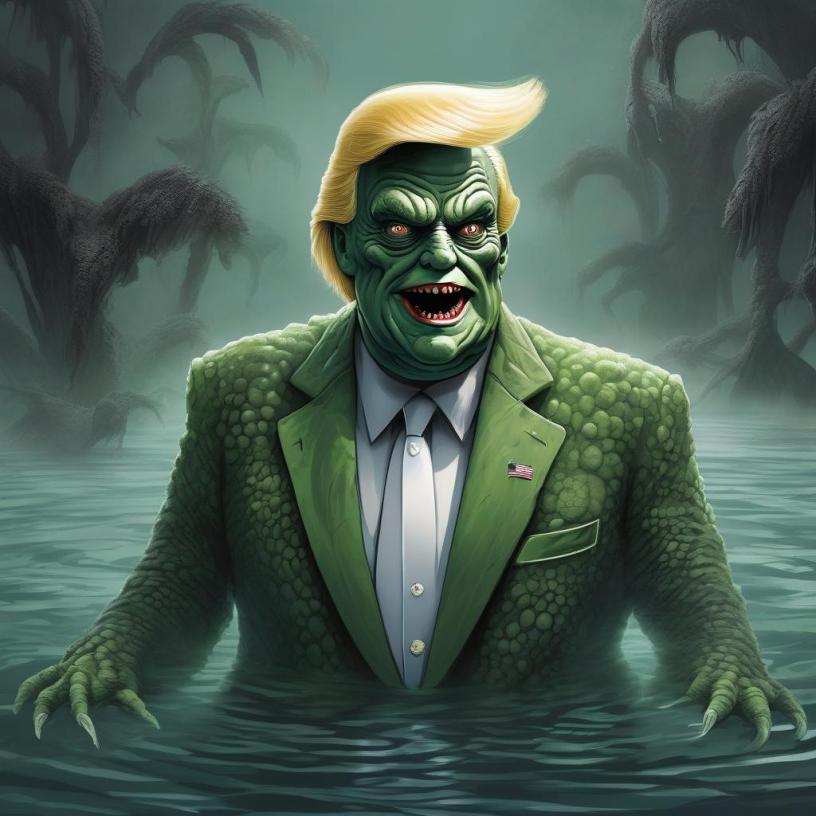
As President Donald Trump continues to navigate the tumultuous waters of his second term, a palpable sense of approval persists among his supporters in Pennsylvania—a state critical to his electoral strategy. During his recent visit to the state, many expressed unwavering support for Trump, lauding his policies and dismissing criticisms. “He’s doing what he said he would do, and that’s what matters to us,” remarks one enthusiastic supporter, reflecting a deep-seated admiration for his brand of politics.
Yet, this loyalty raises profound questions about the moral compass of these supporters. How is it that they remain steadfast in their devotion to a leader often accused of fostering division and undermining democratic norms? This phenomenon can be viewed through the lens of cognitive dissonance, where acceptance of troubling actions or statements is overshadowed by a singular focus on perceived economic benefits or national pride. The refusal to acknowledge Trump’s missteps might suggest a troubling embrace of moral bankruptcy, prioritizing loyalty over integrity.
As the trade war escalates, perspectives from news outlets paint a divergent picture of the economic fallout. The BBC reports that Trump’s aggressive tariff policies are leading to a strain on relationships with major trading partners. Increased costs for goods threaten to impact everyday consumers, raising the specter of inflation and recession fears. Conversely, in an interview aired on Fox News, Trump downplays these concerns, reinforcing his narrative that such tactics are necessary for America’s economic resurgence. “There’s a period of transition,” Trump insists, framing the potential economic hardships as a necessary step towards long-term prosperity.
Adding to the economic discourse is the unfolding saga of Capital One, recently highlighted by Yahoo Finance. As the banking giant faces legal challenges linked to its dealings with the Trump Organization, the intertwining of Trump’s political maneuvering and corporate interests draws attention to the broader implications for businesses struggling to navigate a shifting landscape. With mounting pressure and uncertainty, the financial sector finds itself in a precarious position, paralleling the complexities of Trump’s own political future.
Meanwhile, the potential closure of the U.S. Department of Education looms large, a consequence of Trump’s stated ambitions. While some view this as a necessary dismantling of an overreaching agency, others fear the loss of vital resources that protect educational equity. Advocates worry that eliminating such a department would exacerbate existing disparities in educational access, leaving vulnerable students without essential support.
In the sphere of international relations, Ukraine finds itself entangled in the complexities of U.S. diplomacy. As discussions between the U.S. and Russia unfold under the auspices of Saudi Arabia, Ukraine’s leadership conveys a sense of frustration at Trump’s approach. Remarks attributed to Trump—dismissing the gravity of the situation and labeling Ukrainian demands as ungrateful—underscore a growing discontent with U.S. support. Zelenskyy and his advisors express concerns that Trump’s tactics jeopardize existing alliances, calling for a more respectful and committed posture from the U.S. in securing Ukraine’s sovereignty.
As Pennsylvania’s supporters galvanize around Trump, a broader contemplation unfolds. The juxtaposition of local loyalty with the unfolding national and international narratives offers a complex portrait of a populace grappling with its values amid discord. Whether this enduring support will hold in the face of mounting criticism remains one of the defining questions of Trump’s presidency.
Sources:
- Stone, Mark. “Rating Donald Trump’s Second Term So Far: He’s Rattling the Cage and So Many Here in Pennsylvania Couldn’t Be Happier.” Sky News, 10 Mar. 2025, https://news.sky.com.
- Da Silva, João. “Trump Says US Economy in ‘Transition’ as Trade War Escalates.” BBC News, 10 Mar. 2025, https://www.bbc.com/news/business-123456.
- Hollerith, David. “The New Trump Era Just Got More Complicated for Capital One.” Yahoo Finance, 10 Mar. 2025, https://finance.yahoo.com.
- Schermele, Zachary. “What Will Happen at My School if Trump Closes the Department of Education?” USA Today, 10 Mar. 2025, https://www.usatoday.com.
- Ridler, Faith. “UK Advising Ukraine on Handling Peace Talks with the US, Sky News Understands.” Sky News, 10 Mar. 2025, https://news.sky.com.
- Bateman, Tom, and Jaroslav Lukiv. “US Says Ukraine ‘Ready to Move Forward’ on Truce Demand.” BBC News, 10 Mar. 2025, https://www.bbc.com/news/world-123456.
- O’Connell, Oliver, and Joe Sommerlad. “Trump Refuses to Rule Out Recession or Clarify Tariffs Policy in Fox Interview: Live.” The Independent, 10 Mar. 2025, https://www.independent.co.uk.
- Gambrell, Jon. “What to Know Ahead of the Talks Between the US and Ukraine in Saudi Arabia.” Associated Press, 10 Mar. 2025, https://apnews.com.
- Mijares Torres, María Paula. “Trump Says He Expects Zelenskyy to Come Around on Minerals Deal.” BNN Bloomberg, 9 Mar. 2025, https://bnnbloomberg.ca.
 Occupy 2.5