Rather than curse the darkness, let’s light a road flare! It’s time to shine a light on the reasons many people in the United States do not vote and how we can change that together.
Voter turnout has been a big concern in the U.S. Many eligible voters choose not to participate in elections. A key reason is the feeling that their vote won’t make a difference. This feeling is especially strong in states where one party dominates. If you live in a “safe” state, you might think, “Why bother voting? My vote won’t change anything.”
Many voters feel disappointed with the candidates available. Young people, in particular, often express dissatisfaction, saying both major party candidates are not representative of their beliefs. Some even describe the options as “trash.” This disappointment leads some to stay home on Election Day instead of participating in what they see as a flawed system.
Another barrier to voting is access. About 21.3 million Americans do not have the documents they need to prove citizenship, which is required for voter registration. This is especially true for marginalized communities, where the struggle to obtain these documents can feel overwhelming.
Disillusionment with the political system adds to the problem. Many individuals believe that politicians prioritize the interests of donors over the common voter. They feel that no matter who wins the election, the outcome remains unchanged for the average person. This sense of frustration can lead people to disengage entirely from the electoral process.
To turn this trend around, individuals can take several important actions. First, engage in conversations about the importance of voting with friends and family. Sharing personal stories and discussing community issues can help others see how voting impacts their lives.
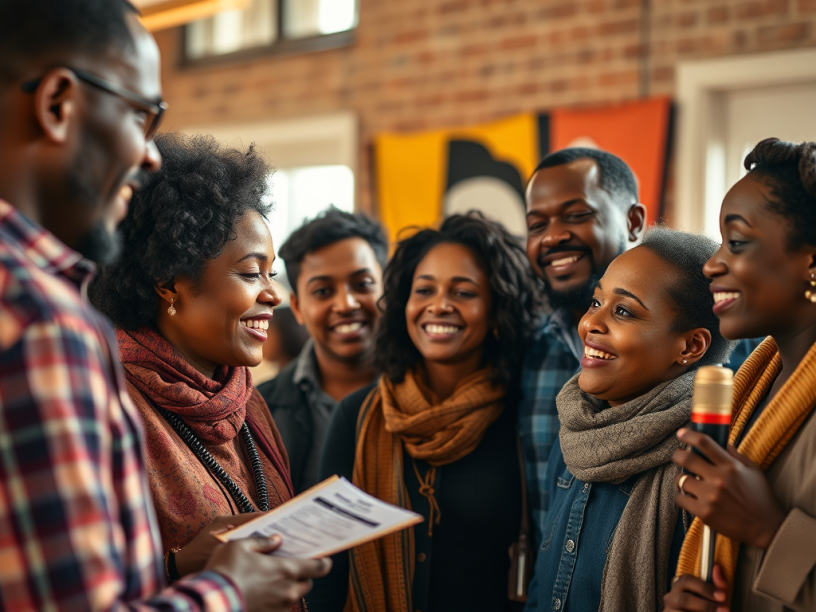
Secondly, educate those around you about past elections decided by only a few votes. This showcases the real power of each ballot and can inspire someone to participate. Communities should create voter-friendly environments by hosting events that make registration fun and accessible, like dinners or voting-themed gatherings.
Promoting voter registration and helping peers check their status can also make a difference. Use social media to share important election information, deadlines, and facts about the voting process. Challenging misinformation is key, so provide accurate information about candidates and voter procedures.
Advocating for system reforms can lead to change. Supporting efforts to abolish the Electoral College or to make voter registration automatic can help ensure that every vote counts equally. Encourage others to take part in local elections, where their votes often matter more than in national contests.
Finally, create a culture of civic engagement. Model good practices by voting and discussing issues openly within your community. When you demonstrate your commitment to democracy, others are more likely to follow.
Together, we can light a path toward increasing voter turnout and empowering every citizen to have their voice heard. By taking action, we can transform the current trend and build a brighter future for our democracy.
Sources:
- Gerber, Alan S., Gregory A. Huber, Daniel R. Biggers, and David J. Hendry. “Why Don’t People Vote in U.S. Primary Elections? Assessing Theoretical Explanations for Reduced Participation.” Electoral Studies, vol. 45, Feb. 2017, pp. 119-129. Elsevier, https://doi.org/10.1016/j.electstud.2016.11.003.
- Rodriguez, Leah. “5 Reasons People in the US Don’t Vote.” Global Citizen, 2 Sept. 2020, https://www.globalcitizen.org/en/content/5-reasons-people-in-the-us-dont-vote/.
- Fields, Gary. “Millions of People in the U.S. Don’t Vote. Could Anything Change Their Minds?” Associated Press, 8 Oct. 2024, https://apnews.com/projects/election-2024-our-very-complicated-democracy/election-2024-why-americans-dont-vote-episode-6.html.
- Ordway, Denise-Marie. “How Voter Registration Rules Discourage Some Americans From Voting: An Explainer and Research Roundup.” Harvard Kennedy School, Shorenstein Center on Media, Politics and Public Policy, 12 Mar. 2024, https://journalistsresource.org/politics-and-government/voter-registration-research/.
- Haupt, Angela. “11 Things to Say to Persuade Someone to Vote.” TIME, 19 Sept. 2024, https://time.com/7019433/how-to-get-people-to-vote/.
- Pheterson, Melissa. “What Every American Needs to Know About Voter Turnout.” University of Rochester, 30 Oct. 2024, https://www.rochester.edu/newscenter/what-is-voter-turnout-voting-behavior-625262/.
- Mears, Rebecca, and Zachary Geiger. “The Power of One Vote: An Examination of Close Federal, State, and Local U.S. Elections and How Just a Few Votes Can Shape Policy.” Center for American Progress, 16 Sept. 2024, https://www.americanprogress.org/article/the-power-of-one-vote/.
- Alonso, Johanna. “Why Some Students Say They Don’t Plan to Vote.” Inside Higher Ed, 21 Oct. 2024, https://www.insidehighered.com/news/government/politics-elections/2024/10/21/students-not-planning-vote-cite-dislike-candidates.
- Otte, Jedidajah. “‘What a Circus’: Eligible US Voters on Why They Didn’t Vote in the 2024 Presidential Election.” The Guardian, 13 Dec. 2024, https://www.theguardian.com/us-news/2024/dec/13/why-eligible-voters-did-not-vote.
- Morris, Kevin, and Cora Henry. “Millions of Americans Don’t Have Documents Proving Their Citizenship Readily Available.” Brennan Center for Justice, 11 June 2024, https://www.brennancenter.org/our-work/analysis-opinion/millions-americans-dont-have-documents-proving-their-citizenship-readily.
 Occupy 2.5