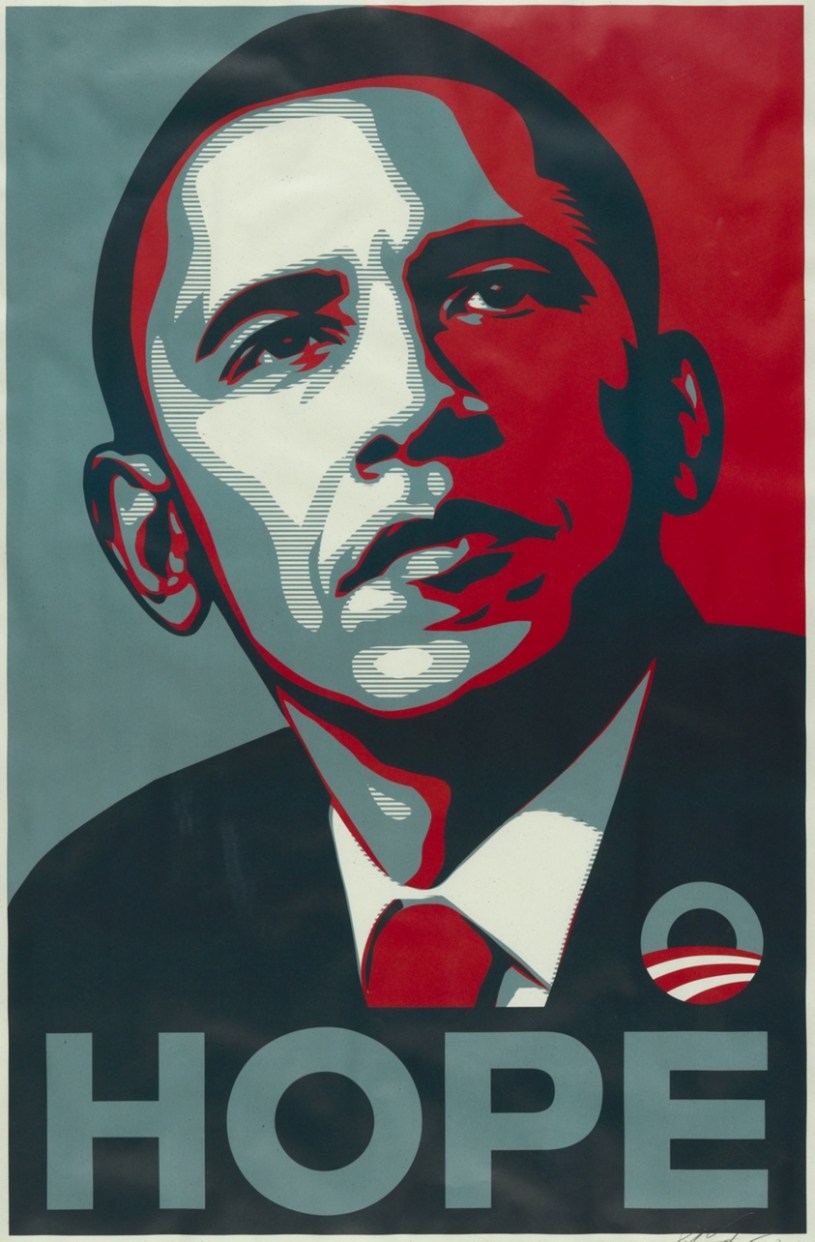
It has been 17 years since Barack Obama announced his candidacy for president. February 10, 2007, marked a pivotal moment in American politics. The then-Senator stood before a throng in Springfield, Illinois, and ignited a movement. A movement fueled by hope, change, and an unprecedented grassroots army.
Obama’s campaign was a departure from the past. It organized 2.2 million volunteers. Ordinary people mobilized into a powerful force. They knocked on doors. They made calls. They built a sense of community that resonated across the nation. This was not just another political campaign; it was a rebirth of civic engagement.
Historically, Obama faced stiff competition. Hillary Clinton was a formidable opponent. The race was fierce. It featured intense debates and strategic maneuvering. But the turning point came during the Iowa caucuses. Obama’s message of unity cut through the political noise. He won decisively and captured the nation’s imagination.
Fast forward to the election night of November 4, 2008. Obama made history. He became the first Black president of the United States. He secured 365 electoral votes. He inspired millions. The ground heaver and the night was electric. Millions gathered in Chicago’s Grant Park to witness the moment. They saw not just a victory, but a beacon of hope.
As I contemplate the legacy of President Obama, I hold a deep respect for him. He embodies intellectualism and represents a successful figure in American politics. His presidency served to challenge prevailing stereotypes and initiated a vital discourse regarding race and identity in the United States. Obama transcended the role of a mere candidate; he became a powerful symbol. However, his political approach has often been characterized as conventional and aligned with neoliberal ideals.
Why did we believe a Black man could heal the political trauma of a nation? The answer lies in our collective yearning for change. Even superficial change was change away from the chaos of the Bush Wars. The country was in turmoil. Economic crises swirled around us. Partisan divides deepened. In Obama, we saw possibility.
His race was a factor. Many felt that a Black president could signify progress. It was a historic chance. Black Republicans voted for him, not as a Democrat but as a symbol of change. They embraced the moment. They saw in Obama a reflection of their own struggles and aspirations.
Obama represented more than himself. He was a movement, a tide that lifted many. His election was not just about race, but about the promise of healing and hope. Even today, as introspection deepens in our society, we remember 2008 as a turning point.
Barack Obama ignited a powerful conversation that inspires hope. Change is not only possible, it thrives when everyday people unite with purpose. This is the enduring legacy of Obama—a legacy we actively cultivate, 17 years later. Together, we can absolutely transform the political landscape if we seize the opportunity to do so.
Here are the APA citations for the five articles reviewed:
- Nelson, M. (2025). Barack Obama: Campaigns and elections. Miller Center, University of Virginia. Retrieved from https://millercenter.org/president/obama/campaigns-and-elections
- The Obama Foundation. (2025). 15th anniversary of Obama 08’ campaign announcement. The Obama Foundation. Retrieved from https://www.obama.org/stories/15years/
- The Obama Foundation. (2025). A look back at the 2008 election. The Obama Foundation. Retrieved from https://www.obama.org/stories/history/time-machine/
- The Editors of Encyclopaedia Britannica. (2025). United States presidential election of 2008. Encyclopaedia Britannica. Retrieved from https://www.britannica.com/event/United-States-presidential-election-of-2008
- McKenna, E., & Han, H. (2015). Groundbreakers: How Obama’s 2.2 million volunteers transformed campaigning in America. Oxford University Press.
 Occupy 2.5