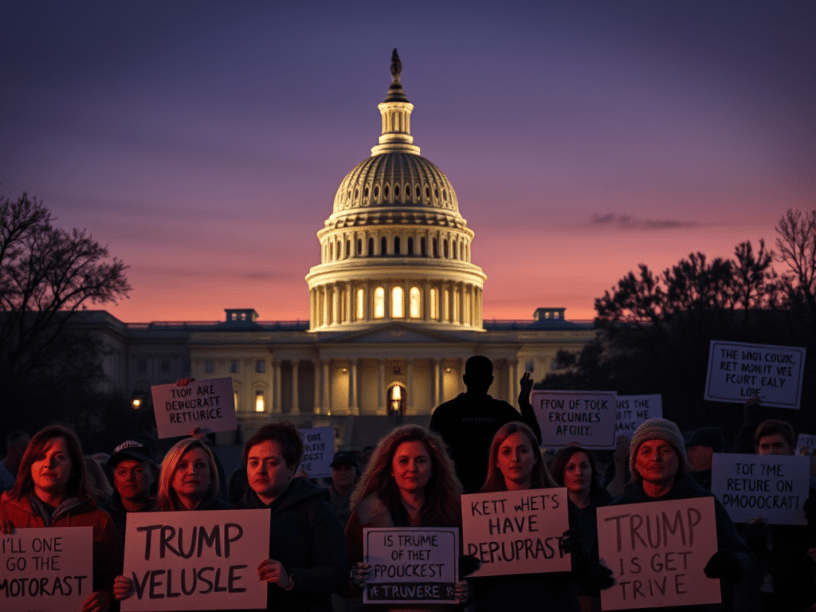
On January 6, 2021, America changed forever. That day, a violent mob stormed the U.S. Capitol. They attacked police, broke into offices, and tried to stop Congress from certifying the results of the 2020 election. Some carried weapons. Others waved flags and shouted that the election was stolen. Five people died, and hundreds were hurt (U.S. House Select Committee, 2022). The world watched in shock. Many Americans felt something sacred had been broken. And now, after Donald Trump has won the 2024 election and returned to power in January 2025, he has already begun to pardon those who were convicted for their roles in the insurrection.
This moment shows just how deep the damage from January 6 really is.
How January 6 Damaged the Nation
The first and most obvious damage was physical. Rioters smashed windows, broke doors, and ransacked offices. Members of Congress had to hide. Some feared for their lives. Capitol Police officers fought back, but many were overwhelmed. One officer died after the attack, and others took their own lives later due to trauma (BBC News, 2021).
But the deeper damage was to American democracy. The mob was not just angry—they were misled. They believed Donald Trump’s false claim that the 2020 election was rigged. Courts rejected these claims over 60 times, including by judges Trump himself had appointed (Ballotpedia, 2021). But many of his supporters refused to believe it. They trusted Trump over the truth.
This belief didn’t end on January 6. Since then, dozens of politicians have pushed “election denial”—saying, without proof, that elections are fake when they lose. In 2022 and 2024, some candidates still ran on this false idea. On social media platforms like X, Facebook, Google searches, Bluesky, and YouTube, these lies continue to spread. Even after tech companies banned some accounts, new ones popped up with similar messages (New York Times, 2023).
The damage goes even further. Trust in voting has dropped, especially among Republicans. A 2023 Pew Research poll found that only 30% of Republicans said they had “a great deal” of confidence in the election system (Pew Research Center, 2023). That’s dangerous. A democracy only works when people believe their vote matters.
The Return of Trump in 2025
Now Donald Trump is back in the White House after winning the 2024 election. His win came after months of campaign promises to “clean house,” punish enemies, and pardon January 6 rioters. Within his first week in office in January 2025, Trump followed through. He issued dozens of pardons for people convicted in connection with the Capitol attack. Some of these people had attacked police, carried weapons, or led crowds into the building.
Progressives and democracy advocates warned this would happen. In fact, Trump had said many times during his 2024 campaign that he would pardon “patriots” from January 6 (CNN, 2024). He called them “hostages” and “victims,” not criminals. Now, those words have become official policy.
This sets a scary example. When the president forgives people who tried to overturn an election, it tells others they can do the same. It lowers the cost of rebellion. It says, “If you act in my name, I’ll protect you.”
What This Means for America’s Future
The January 6 insurrection didn’t just hurt one day. Its impact is still growing. It shook people’s faith in democracy. It divided families, friends, and communities. It gave power to lies. And now, with Trump back in office and freeing the very people who helped carry out the attack, the danger is even greater.
Many experts now worry that future elections may not be peaceful. Some fear state lawmakers might ignore vote counts or try to install their own electors. Others worry that violence could return if Trump or his supporters don’t like the results next time.
Worse, Trump’s return has pushed many election deniers into powerful roles. Several now serve in Congress, on state election boards, or even as governors. They could try to change rules, restrict voting access, or reject certified results. These actions would have been unthinkable before January 6. Now they are real possibilities.
What We Can Do
This is a hard time for America. But it is not hopeless. Citizens still have power. They can vote in local and state elections. They can call their representatives and demand laws that protect elections and punish political violence. They can speak out on social media, in classrooms, and in town halls.
Journalists, educators, and community leaders must also do their part. They need to tell the truth about January 6—not just what happened, but why it matters. Schools must teach young people how democracy works, and how easily it can be lost.
We must also demand honesty and courage from our leaders. Some Republicans, like Liz Cheney and Adam Kinzinger, stood up to Trump and lost their seats. But they told the truth. More leaders need to follow their example, no matter the political cost.
Final Thoughts
The January 6 attack on the Capitol was not just a riot. It was a warning. It showed how lies, hate, and power-hunger can lead to real danger. The damage has been deep. And with Trump back in power and pardoning those responsible, the scars are now reopening.
But Americans still have a choice. We can choose truth over lies, democracy over dictatorship, and courage over fear. If we learn from what happened—and stand together—we can protect what matters most: our freedom.
References
- Ballotpedia. (2021). Post-election lawsuits related to the 2020 presidential election. https://ballotpedia.org
- BBC News. (2021, June 8). Capitol riot: Officer who died was killed by strokes. https://www.bbc.com
- CNN. (2024, October 10). Trump pledges to pardon January 6 defendants if elected. https://www.cnn.com
- New York Times. (2023, March 5). Misinformation surges ahead of 2024 elections. https://www.nytimes.com
- Pew Research Center. (2023, November). Public trust in government remains low. https://www.pewresearch.org
- U.S. House Select Committee to Investigate the January 6th Attack. (2022). Final Report. https://www.govinfo.gov
 Occupy 2.5