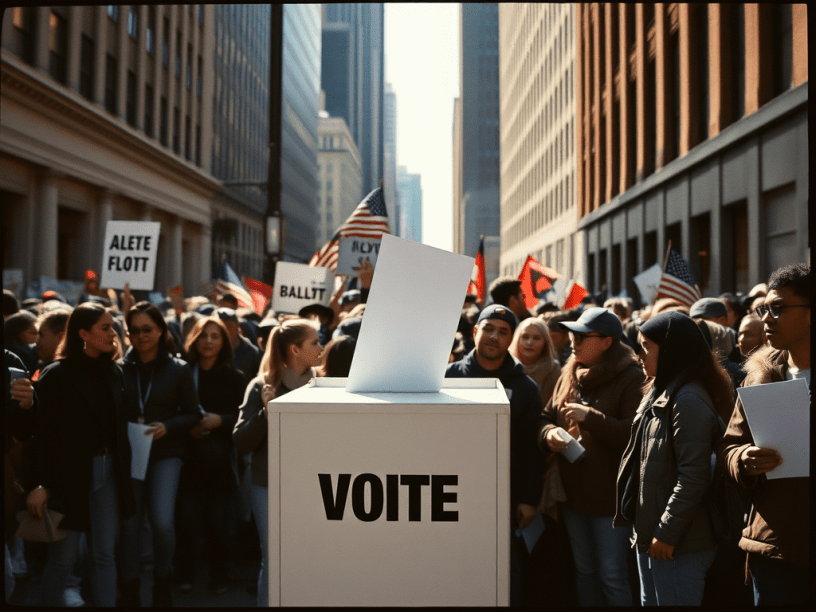
As the United States grapples with escalating political polarization and the looming specter of an internal conflict, the alarm bells have sounded across the nation. From the powerful rhetoric of prominent figures to the actions taken within social media platforms like X, the signs of a potential reversion to fascist ideologies and the proliferation of hate speech have intensified. With the country standing at a crossroads, a cohesive strategy is essential to prevent the Alt-Right from eroding democratic values and catalyzing civil unrest.
Recent statements by key political figures highlight the precarious state of American democracy. Representative Maxine Waters cautioned that Trump’s policies could incite a civil war, reflecting a broader concern among Democrats about the former president’s influence and the violent rhetoric that permeates his base. The echoes of January 6, 2021, still resonate as many express fears that a similar or worse uprising could occur if Trump loses the upcoming election.
The urgency of the situation is exacerbated by the role of social media in amplifying hate speech and facilitating divisive narratives. Following Elon Musk’s acquisition of X, numerous studies indicated a steep rise in hate speech on the platform, with much of it targeting marginalized groups. Reports have shown that hate speech has increased by approximately 50% since Musk assumed control, while engagement with such posts has also surged, undermining attempts to maintain a safe online environment.
The trend of rising polarization and hate is daunting, but there are actionable steps that can be taken to avert this crisis and reclaim the democratic foundation of the nation:
- Promote Civil Discourse: Encouraging open dialogue across the political spectrum is crucial. Community programs and public forums can facilitate respectful discussions, enabling individuals to express differing viewpoints without resorting to hostility.
- Strengthen Institutions: Restoring trust in governmental, legal, and civic institutions is paramount. Emphasizing transparency, accountability, and inclusivity within these systems can combat the narrative of corruption that fuels division.
- Combat Economic Inequality: Addressing the wealth gap through progressive taxation and social programs can alleviate the sense of disenfranchisement felt by many Americans. Economic policies should prioritize those left behind, providing pathways to stability and prosperity.
- Combat Misinformation: The fight against misinformation must be prioritized in school curricula and public campaigns. Media literacy initiatives can empower citizens to critically evaluate information sources, reducing the influence of harmful propaganda and conspiracy theories.
- Legislation Against Hate: Enacting and enforcing stronger hate crime laws and policies can deter the proliferation of hate speech. Social media platforms like X must be held accountable for enabling hate and misinformation, ensuring robust moderation practices that protect users.
- Foster National Identity: Creating a shared national identity centered on democratic values can help bridge divides. Celebrating diversity, promoting inclusiveness, and emphasizing common goals can unite citizens in the face of extremism.
As we stand at this precarious junction, the lessons of history serve as a reminder of the stakes involved. The potential for civil conflict exists, and it is fueled by entrenched divisions and the normalization of hate. The grim visions portrayed in scholarly articles and warnings from political leaders should motivate us to engage actively in the democratic process and resist the tide of extremism.
Thus, it is essential for all Americans to remain vigilant and proactive in defending their democracy. By uniting against the threats posed by the Alt-Right and addressing the factors that contribute to division and unrest, the nation’s path can lead away from the brink of conflict towards a more equitable, tolerant, and democratic society.
The future of the United States hinges on our ability to confront these challenges head-on—an endeavor that requires the courage and commitment of every citizen.
Sources:
- Klinkner, P., & Smith, R. M. (2025, February 13). 60 years of progress in expanding rights is being rolled back by Trump − a pattern that’s all too familiar in US history. The Conversation. https://theconversation.com/60-years-of-progress-in-expanding-rights-is-being-rolled-back-by-trump-a-pattern-thats-all-too-familiar-in-us-history-248526
- Bethea, C. (2024, November 4). The Americans Prepping for a Second Civil War. The New Yorker. https://www.newyorker.com/magazine/2024/11/11/among-the-civil-war-preppers
- Reich, R. (2024, December 6). Is Trump Putting Nation on Dangerous Path Toward a Second Civil War. Common Dreams. https://www.commondreams.org/opinion/trump-second-civil-war
- Sullivan, J., & Blinkinsop, A. (2024, September 4). America at a Crossroads: Is Another Civil War Possible? Divided We Fall. https://dividedwefall.org/another-civil-war/
- Blumenfeld, W. J. (2025, January 19). America has been teetering on the edge of civil war. Did Donald Trump’s victory seal our fate? LGBTQ Nation. https://www.lgbtqnation.com/2025/01/america-has-been-teetering-on-the-edge-of-civil-war-did-donald-trumps-victory-seal-our-fate/
- Burns, A. (2024, June 11). Canada’s Big Worry: A US Civil War. POLITICO. https://www.politico.com/news/magazine/2024/06/11/canada-us-civil-war-00162521
- Gooding, D. (2025, March 14). Democrat Issues ‘Civil War’ Warning. Newsweek. https://www.newsweek.com/maxine-waters-civil-war-warning-donald-trump-2044857
- Schroeder, J. J. (2025, February 23). We Already Have a “Eugenic Immigration Policy”: An Immigration Lawyer’s Response to Marko Elez’s Remarks on X. SchroederLaw. https://ssrn.com/abstract=5152896
- Hickey, D., Fessler, D. M. T., Lerman, K., & Burghardt, K. (2025). X under Musk’s leadership: Substantial hate and no reduction in inauthentic activity. PLOS ONE, 20(2), e0313293. https://doi.org/10.1371/journal.pone.0313293
- Batteau, A., & Miller, C. Z. (2025). The Emperors’ New Clothes. In Tools, Totems, and Totalities (pp. 157–172). Springer. https://doi.org/10.1007/978-981-97-8708-1_11
 Occupy 2.5