Chicago, IL | May 20, 2025
In May 2012, Chicago became a focal point for global dissent as it hosted the NATO Summit, drawing thousands of protesters dedicated to challenging not only NATO’s military policies but also the broader issues of economic inequality championed by the Occupy Chicago movement.
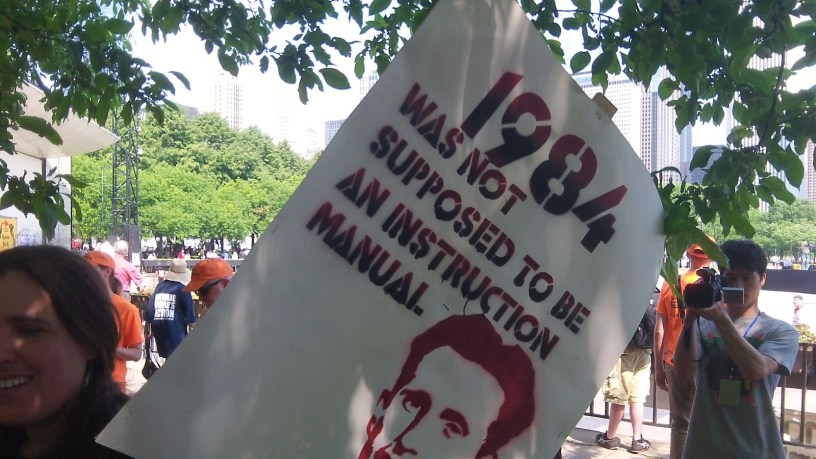
As world leaders convened to discuss pressing security issues, demonstrators from various factions, including a presence of Occupy Chicago activists, filled the streets. Clad in signature black and carrying banners adorned with slogans like “People Over Profit,” they voiced their opposition to what they termed the militarization of foreign policy and the neglect of urgent domestic social needs.
“While NATO leaders are deciding the fate of nations, we are here to remind them that their decisions have real consequences for everyday people,” proclaimed Maria Lopez, a prominent activist from Occupy Chicago. “We demand a focus on social justice, not warfare.”
Throughout the days leading up to the summit, a series of demonstrations unfolded across the city. Protesters marched to Grant Park, culminating in a massive rally attended by an estimated 20,000 people. The event maintained a largely peaceful atmosphere, though there were sporadic confrontations with law enforcement.
Amid the protests, five activists, known as the NATO 5, were arrested and charged with conspiracy to commit criminal activity. These individuals were accused of planning to disrupt the summit, and their detention sparked significant concern among civil liberties advocates. The NATO 5 became a symbol of the tensions between protest movements and law enforcement, highlighting issues of free speech and the right to protest. Supporters argued that the charges were an overreach and part of a broader effort to suppress dissent.
Organizers emphasized the interconnectedness of the anti-NATO and Occupy movements, dubbing the actions “a global call for change.” This alignment resonated with many, as both movements spotlighted issues of economic disparity and advocacy for peace over military intervention.
As the NATO Summit proceeded, discussions among leaders inevitably shifted towards security policies and military spending, igniting a resurgence of support for NATO among member countries, particularly in response to Russia’s aggressive actions in Ukraine. This geopolitical context significantly influenced public perception, generating a renewed narrative around NATO as a critical alliance for collective defense.
In the years following the protests, NATO saw a fundamental shift, with many nations increasing their defense budgets and reaffirming their commitment to the alliance. The events in Chicago, particularly the saga of the NATO 5, served as a pivotal reminder of the balancing act between military readiness and addressing the socioeconomic challenges faced by citizens.
By highlighting the voices of the demonstrators, the 2012 protests in Chicago underscored the ongoing debates about NATO’s role in the world, echoing the sentiments of a generation seeking peace and justice in a rapidly changing geopolitical landscape.
 Occupy 2.5