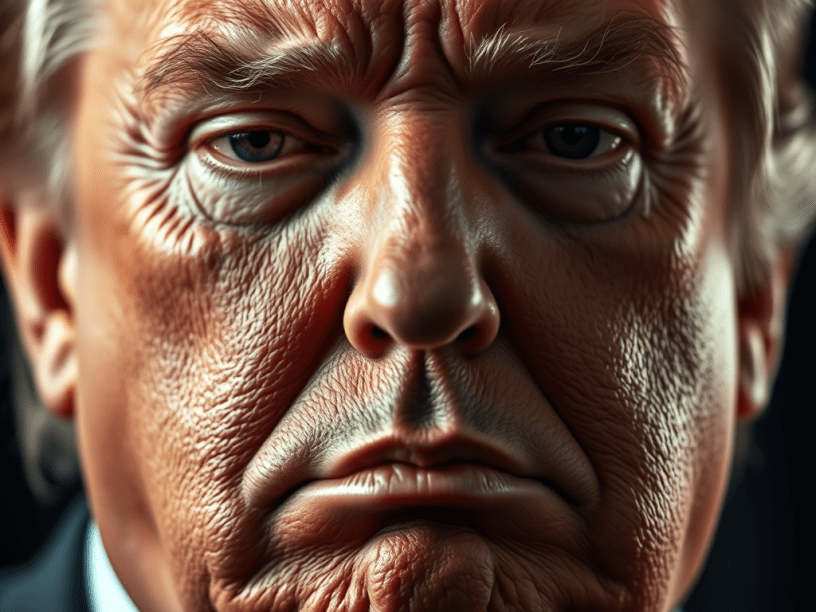
As the 2024 presidential election approached, worries about Donald Trump’s mental health are become more common. Many experts and commentators talked about how his behavior might affect his ability to lead the country. Some people believe that Trump’s actions and words during his time in office show signs of trouble.
Several mental health professionals have shared their views on Trump, focusing on his impulsive behavior, mood swings, and sometimes aggressive statements. For example, psychiatrist Dr. Allen Frances, who helped create the manual for diagnosing mental illnesses, has noted that while Trump shows traits of narcissism, it does not mean he is mentally ill. Frances believes that labeling Trump as mentally ill could hurt people who genuinely suffer from mental health issues.
Moreover, during his rallies and speeches, Trump often displays a high level of emotion, sometimes sounding angry or overly excited. Experts say that stress and pressure from politics can take a toll on anyone’s mental health, and leaders must manage their feelings carefully. As Trump continues his campaign, many are paying close attention to how his mental health might influence his actions and decisions.
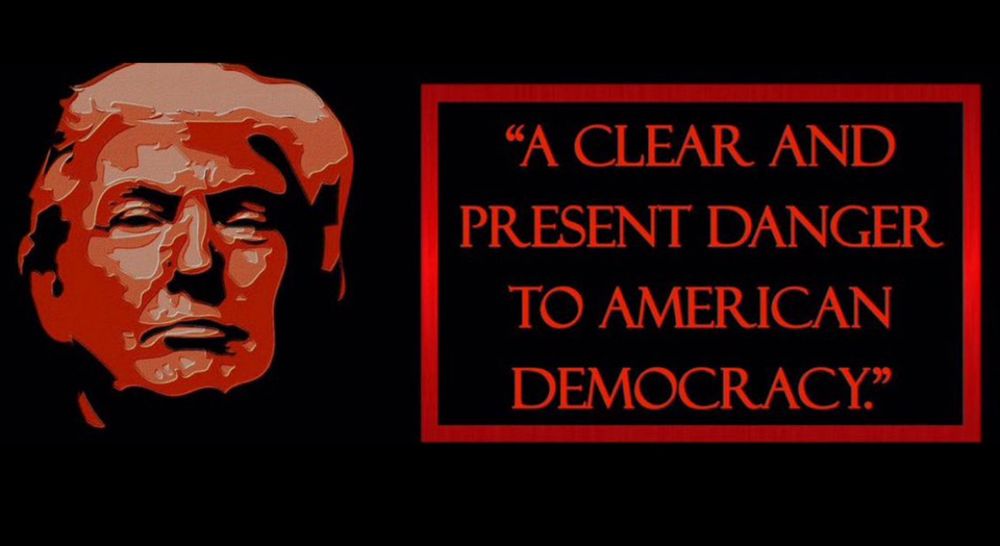
APA Citations:
- Frances, A. (2017). I helped write the manual for diagnosing mental illness. Donald Trump doesn’t meet the criteria. STAT. Retrieved from https://www.statnews.com
- McCarthy-Jones, S. (2024). How being shot might affect Donald Trump’s mental health – and that of millions of others. The Conversation. Retrieved from https://theconversation.com
- Cursino, M. (2024). Psychological Interest in the Trump Presidency. Psychology Today. Retrieved from https://www.psychologytoday.com
- Goldin, M. (2018). A photo that appears to show Trump’s ear with no damage after the attempted assassination is actually from 2022. AP News. Retrieved from https://apnews.com
- Shah, S., & Cleary, O.-A. (2024). What we do and don’t know about Trump’s ear wound. TIME. Retrieved from https://time.com
 Occupy 2.5