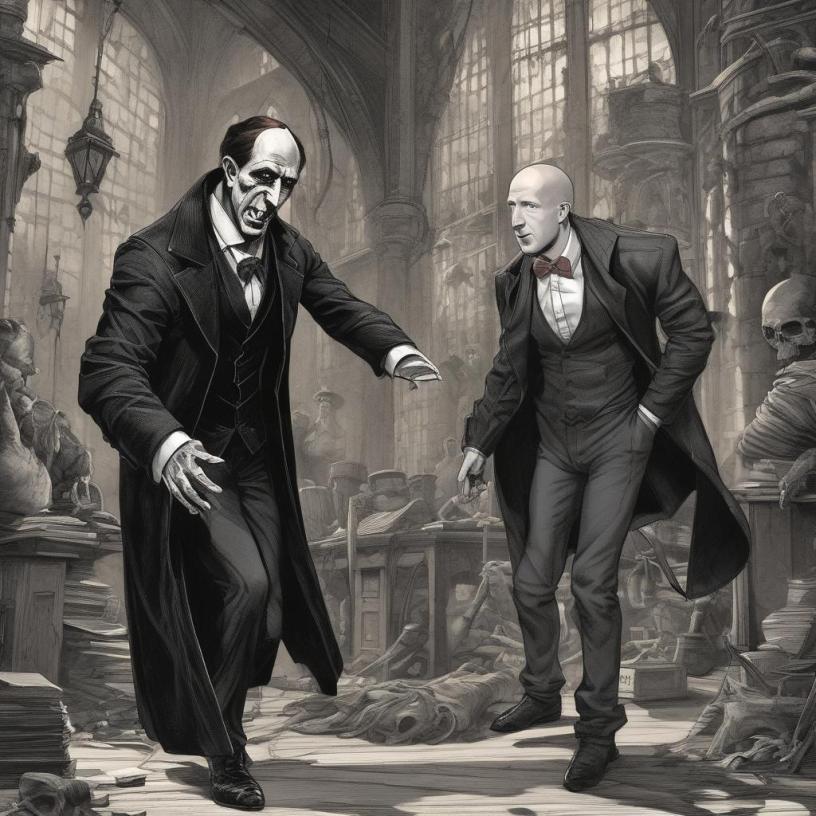
On September 29, 2020, during the first presidential debate against Joe Biden, Donald Trump made a statement that would echo throughout his presidency and beyond: “Proud Boys, stand back and stand by.” The comment, seemingly directed at the far-right extremist group Proud Boys, was made in the context of Trump’s refusal to explicitly condemn white supremacy during the debate.
The remark sent shockwaves through the political landscape. The Proud Boys, a violent, nationalist group, had been responsible for a number of violent incidents across the country. Trump’s words were interpreted by many as a tacit endorsement of the group, sparking outrage among civil rights organizations, political opponents, and the general public. The statement was seen as an encouragement for far-right groups to prepare for violence, should the election results not go their way.
The immediate backlash was swift and intense. Critics pointed to Trump’s long-standing history of divisive rhetoric and his failure to take a firm stance against extremist groups. The comment raised serious questions about his willingness to stand up for American values of equality and justice. Even Republican lawmakers, who had often stood by the president, were forced to distance themselves from his words.
But the long-term consequences of this moment were even more significant. In the months that followed, the Proud Boys became increasingly emboldened, especially as the country entered the tumultuous period leading up to the 2020 election. Trump’s refusal to condemn the group outright allowed extremist factions to thrive, culminating in the January 6 Capitol riot. The Proud Boys, along with other far-right groups, played a prominent role in the insurrection, further cementing Trump’s legacy as a president whose rhetoric fueled political violence and division.
Trump’s infamous “stand back and stand by” comment not only became a rallying cry for extremist groups but also highlighted his unwillingness to take responsibility for the consequences of his words and actions. The outrage that followed was warranted, but the long-term regret comes from the fact that Trump’s failure to condemn hate groups helped lay the groundwork for the violent events that would follow, leaving the country deeply divided and scarred.
Why did you vote for him again in November 2024
 Occupy 2.5