The Moon has long captivated the human imagination, serving as a shining beacon in the night sky and inspiring countless myths, stories, and scientific pursuits. As Earth’s only natural satellite, it offers a unique glimpse into the cosmos and holds a special place in our history of exploration.
The Moon’s influence on Earth is profound—it governs ocean tides, affects our biological rhythms, and has been a symbol of mystery and wonder for ancient civilizations. Its craters and maria tell stories of cosmic collisions and volcanic activity that date back billions of years, offering scientists valuable insights about our solar system’s history.
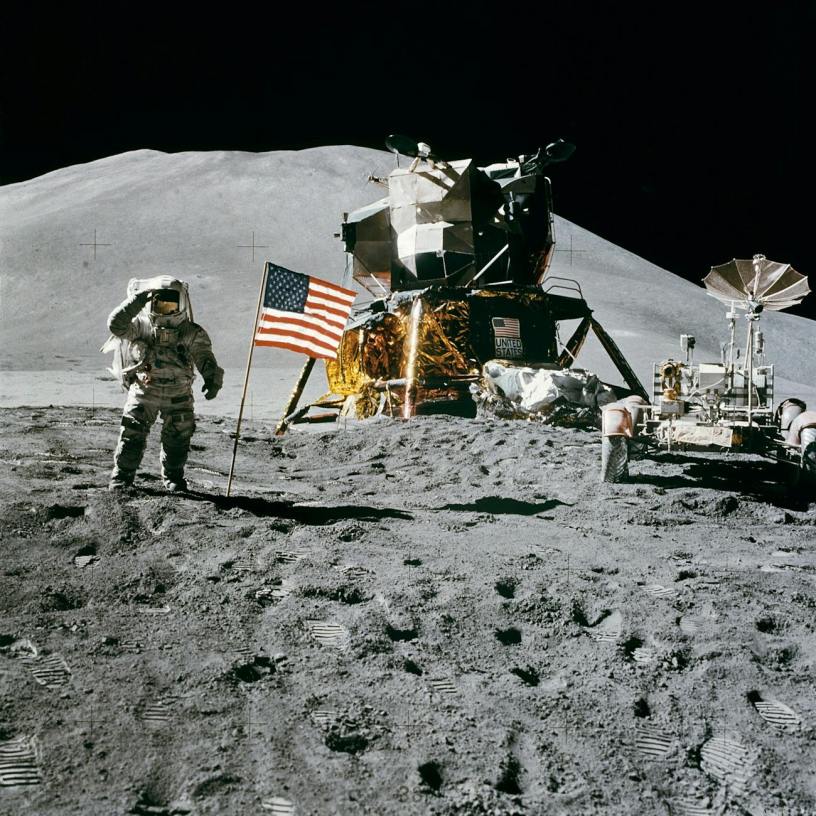
The last time humans set foot on the Moon was during NASA’s Apollo 17 mission in December 1972. Commander Eugene Cernan and astronaut Harrison Schmitt explored the lunar surface, conducting scientific experiments and collecting samples. Since then, no humans have returned, primarily due to shifting priorities, budget constraints, and the enormous technical challenges involved in lunar exploration.
Since the Apollo era, lunar exploration has taken different forms—robotic missions, orbiters, and landers from various countries have studied the Moon’s surface in detail. However, there has been a renewed interest in returning humans to the Moon. Agencies like NASA plan to land astronauts again within the next few years, with programs such as Artemis aiming to establish a sustainable presence and serve as a stepping stone for future missions to Mars.
It has been over 50 years since humans last visited the Moon. During this time, our understanding of this celestial neighbor has deepened tremendously, yet it continues to beckon explorers and scientists alike. With advancements in technology and renewed international collaboration, the Moon remains a fascinating and vital focus of exploration, promising new discoveries and inspiring future generations to look up in wonder.
Moon Fever
 Occupy 2.5