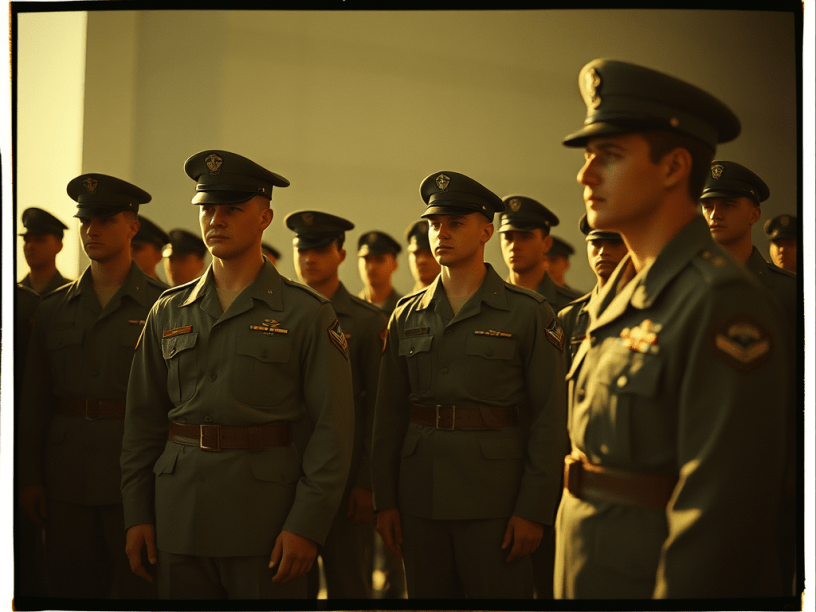
When President Bill Clinton signed “Don’t Ask, Don’t Tell” (DADT) into law in 1993, the policy was framed as a compromise. It would allow gay, lesbian, and bisexual Americans to serve in the military—as long as they kept their sexual orientation a secret. At the time, Clinton claimed the measure was the best possible outcome in the face of fierce opposition from military leadership and Congress. In practice, however, DADT pleased no one and caused lasting damage to thousands of lives.
For LGBTQ+ Americans, the policy institutionalized secrecy and shame. Service members who were discovered to be gay or lesbian—whether through being outed, investigated, or self-disclosure—were subject to discharge. Between 1994 and 2011, the Department of Defense discharged more than 13,000 service members under DADT1. These were not fringe cases. Many were dedicated, high-performing individuals whose careers ended abruptly and publicly. Some lost pensions, security clearances, and even access to veterans’ benefits.
Critics on the right also disliked the policy. Social conservatives argued DADT undermined unit cohesion and compromised military discipline. The policy’s ambiguous enforcement further fueled frustration. Commanders often chose how aggressively to pursue suspected violations, leading to uneven and sometimes vindictive application. What began as a “don’t pursue” approach quickly became a bureaucratic trap, with service members living in fear of exposure.
The policy’s toll was not only personal but also strategic. The military lost critically skilled personnel, including Arabic linguists and intelligence officers, at a time when such skills were in short supply2. This loss affected readiness and morale. DADT did not enhance the military’s professionalism—it eroded it by forcing service members to lie or live under threat.
By the mid-2000s, public opinion had shifted significantly. A 2010 Washington Post-ABC News poll found that 75% of Americans supported allowing gays and lesbians to serve openly in the military3. Even within the armed forces, opposition had softened. The tides had turned, and the arguments that once propped up DADT looked increasingly untenable.
President Obama signed the repeal of DADT in December 2010, and it officially ended in September 2011. The military transitioned quickly and with minimal disruption. The dire consequences predicted by opponents never materialized. Instead, the end of DADT brought long-overdue recognition and relief to thousands who had served in silence—or who had been forced out entirely.
In retrospect, DADT stands as a cautionary tale. Rather than bridging a cultural divide, it deepened it. It left a legacy of exclusion and hurt, not compromise. Clinton’s policy, designed to be pragmatic, ultimately satisfied no one—neither those who supported equality nor those who opposed it. Its repeal marked not just a policy correction, but a moral one.
Footnotes
- Servicemembers Legal Defense Network. (2011). DADT by the Numbers. https://www.sldn.org ↩
- Shanker, T. (2007, June 7). Military Gay Ban Wasted Talent, Panel Says. The New York Times. https://www.nytimes.com ↩
- Balz, D., & Cohen, J. (2010, February 11). Majority of Americans support openly gay service members. The Washington Post. https://www.washingtonpost.com ↩
 Occupy 2.5