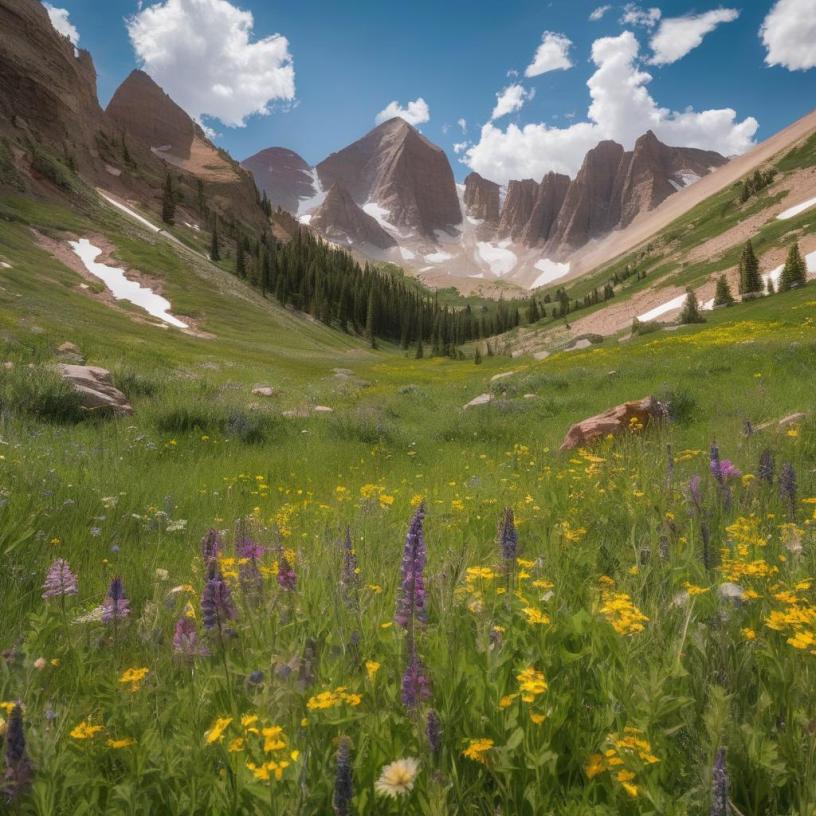
⛰️ High in the Rockies, where snow clings to the cliffs even in summer, lies a forgotten valley the locals call Golgotha Gulch. The name isn’t official—no signs mark the turnoff from the old mining road. But in late August, when the sun slants low and gold fever fills the air again, whispers return about the ghost mine sealed by blood and snow in the winter of 1886.
The story goes like this: a prospector named Jedediah Sloan stumbled on a rich vein of gold ore in a narrow gulch just before the first snowfall. But word spread fast—too fast. By November, six men had laid claim to the strike, each armed and unwilling to share.
What followed was a winter-long siege in the snowbound valley. Shots echoed daily across the ice-crusted pines as one by one, the miners vanished. The last man standing, a gambler with a silver derringer named Clay Pike, was found frozen upright beside a shattered ore cart. His revolver was empty. His eyes were wide open. And the gold? Gone.
Today, hikers sometimes hear gunshots in the stillness, followed by the crunch of boots on gravel that never seem to approach. Campers report seeing flickering lanterns weaving through the trees at night—only to vanish when pursued. Some say the mine itself occasionally reveals its entrance, just before a sudden whiteout snow squall, even in August.
Locals warn: if you find the mine, don’t enter. Golgotha Gulch takes more than it gives.
Vacation Tip: Avoid trail markers made of stacked stone—those aren’t Park Service signs. They’re left by treasure seekers who didn’t return.
 Occupy 2.5