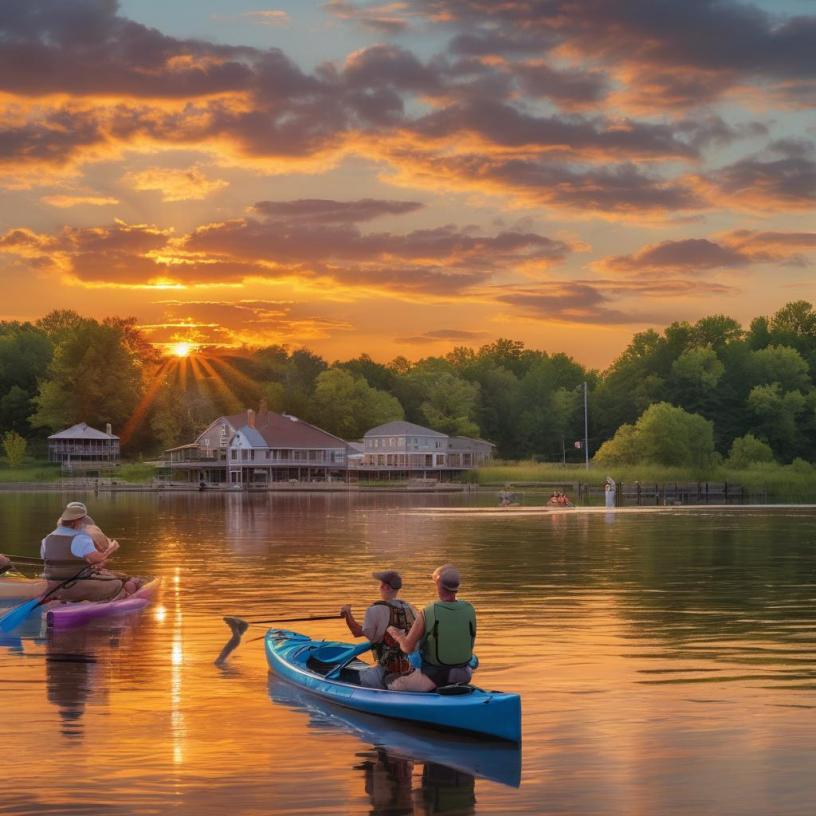
🛶 In northern Minnesota, just past the reach of cell towers and summer cabins, there’s a body of water the Ojibwe once called Wabegonay Zaaga’igan—“the lake that reflects the soul.” Today, it’s known as Mirror Lake, though few locals call it by name. They simply say, “Don’t go out after dusk.”
The story goes that in 1911, a farmer’s daughter named Eliza Merrin rowed across Mirror Lake to meet a traveling salesman she believed was going to marry her. She wore her mother’s Sunday dress, brought a box of shortbread cookies, and was never seen again.
Her boat was found floating in perfect stillness near the center of the lake, the cookies uneaten, the parasol she always carried snapped in two. The salesman? He’d left town a week earlier, never intending to return.
Each August 15, on the anniversary of her disappearance, Eliza is seen wandering the shoreline, brushing her hair by moonlight. Always searching. Sometimes rowing. Some say she even knocks on cabin doors, still asking if someone has seen “her love.”
Anglers claim the lake goes deathly quiet at twilight, no ripples, no insects, no wind. Only your own reflection, and hers—standing behind you, in the water.
Vacation Tip: If you must fish Mirror Lake, pack up before the sun hits the treeline. And never, ever answer a voice that calls from across the water. Eliza’s looking for love—but not the kind you want.
 Occupy 2.5