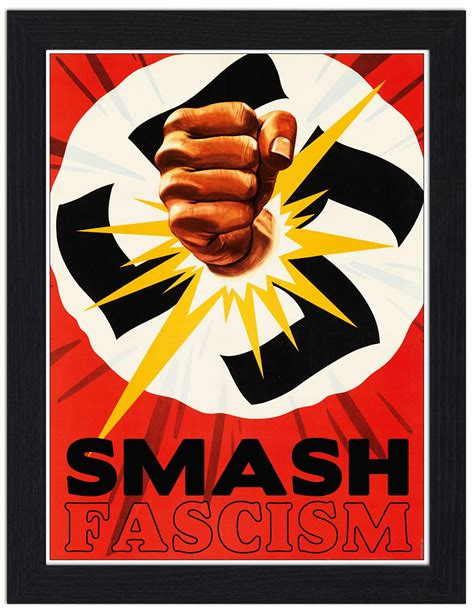
When Society Succumbs to War and Bloodshed
Throughout history, humanity has repeatedly faced periods where societal stability unraveled, leaving behind landscapes scarred by violence, chaos, and despair. These epochs—often marked by profound political upheaval, social fragmentation, and collective trauma—serve as stark reminders of the fragile veneer of civilization and the primal instincts that lurk beneath.
The Fall of Imperial Russia and the Rise of Revolution
One illustrative example is the upheaval in Russia at the dawn of the 20th century. Under Tsar Nicholas II, Russia was an empire teetering on the edge of collapse. Widespread poverty, the brutality of autocratic rule, and the devastating toll of World War I drained resources and morale. The 1917 Revolution erupted as societal fissures widened, culminating in civil war, bloodshed, and the eventual overthrow of the monarchy. When traditional structures shattered, violence became both a means of upheaval and an expression of collective pain—a way to break free from the systemic agony faced by millions.
Collapse of Societies and the Anarchy of the Dark Ages
Similarly, the decline of the Roman Empire, the destabilization of medieval Europe, and instances of societal collapse have often led to episodes of chaos and warfare. These periods, such as the Viking Age or the chaos following the fall of the Han Dynasty, were characterized not merely by political disintegration but also by individual and communal struggles for survival. When social cohesion dissolves, violence often becomes a currency for asserting dominance, settling scores, and coping with existential fears.
Modern Parallels: War as an Outlet for Unresolved Trauma
In contemporary times, noted crises—conflict zones, genocides, and civil wars—mirror these historical patterns. The Balkan Wars, the Rwandan Genocide, and ongoing regional conflicts exemplify societies where processions of pain and trauma manifest as unrepentant bloodshed. These conflicts often stem from unresolved grievances, identity struggles, and inherited wounds that societies and individuals have been unable to heal. War, in these contexts, becomes more than a political instrument; it transforms into a visceral language for expressing collective suffering.
The Human Draw to Violence: A Reflection of Inner Despair
Why do individuals and groups turn to violence when other avenues of healing or resolution seem inaccessible? The answer lies in the complex interplay of psychological pain, societal neglect, and the desire for recognition or catharsis. When faced with internal struggles—depression, trauma, or feelings of worthlessness—some people may seek external outlets that validate their anguish. Violence, then, becomes a distorted form of release, a way to assert presence in a world that feels otherwise silent or indifferent.
The Overuse of War as a Concept and Its Consequences
In today’s world, the term “war” is often invoked in rhetoric—climate war, culture wars, trade wars—reducing its profound association with literal bloodshed to a catchphrase that dulls our perception of its true horror. This overuse dilutes the gravity of real war, which is rooted in deep-seated anguish and systemic failure. Recognizing this distortion is crucial in understanding why violent conflicts persist and how societies can break the cycle by addressing underlying pain rather than merely attacking symptoms.
Conclusion: Lessons from the Past and Paths to Healing
History demonstrates that when societies fail to confront collective and individual pain—be it through repression, denial, or neglect—violence becomes an inevitable, tragic language. Recognizing the roots of such conflicts requires empathy, compassion, and a commitment to mental and social healing. Only by understanding our shared vulnerabilities can we hope to build resilient communities capable of transforming pain into reconciliation, avoiding the destructive allure of war, and fostering genuine peace.
 Occupy 2.5