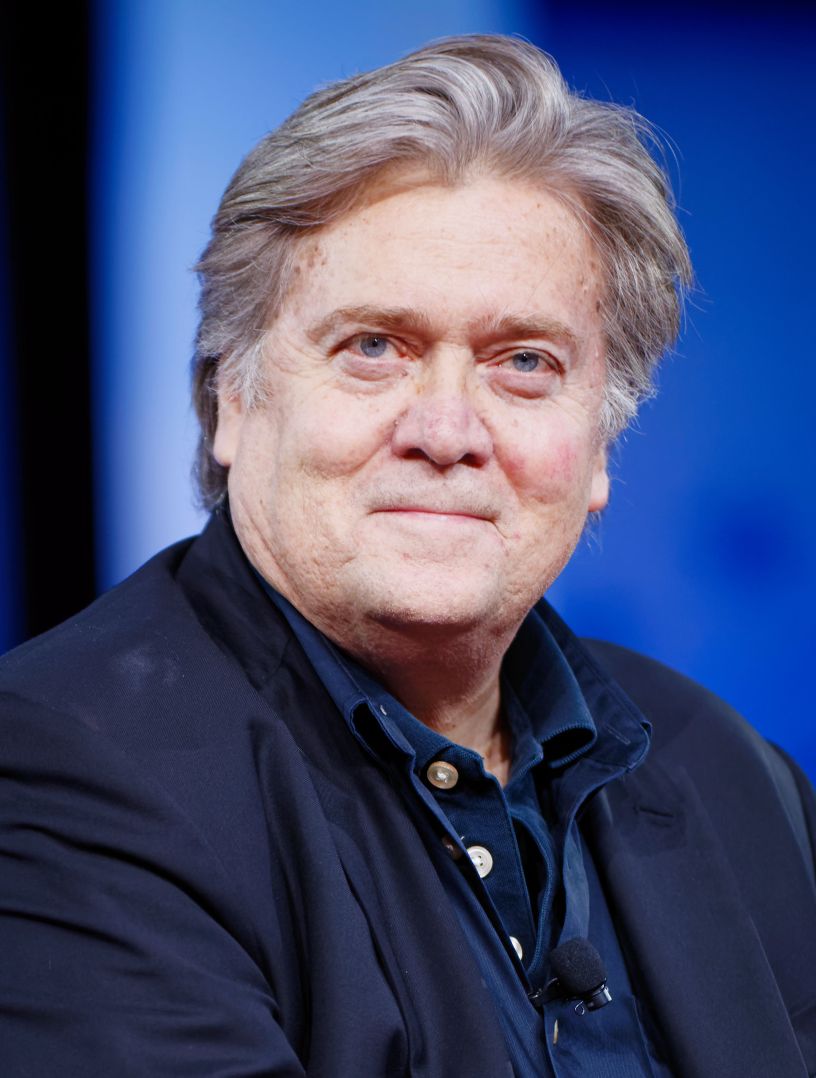
Steve Bannon, once a key architect of the alt-right strategy to fracture American democracy, now finds himself publicly discredited and legally entangled in a strategy that failed spectacularly. The former Trump adviser and self-proclaimed political “disruptor” spent years pushing misinformation, organizing extremist factions, and weaponizing media platforms in an effort to undermine democratic norms. But as of fall 2025, the backlash is no longer theoretical — it’s real, legal, and unmistakably personal.
Federal prosecutors have intensified investigations into Bannon’s activities surrounding the January 6 insurrection and his financial dealings through dubious nonprofit networks. While Bannon once bragged that he would “flood the zone with s***” (Warzel, 2021), the zone now includes grand juries, lawsuits, and a growing mountain of evidence tying him to election disinformation and anti-democratic coordination. His podcast, a bullhorn for lies and grievance politics, has bled sponsors and reach in recent months. The grift has hit a wall.
Bannon’s political allies are also scrambling. Trump, now under multiple indictments, has distanced himself from Bannon’s fundraising operations. The Republican Party’s mainstream faction, while still cowed by MAGA rhetoric, is increasingly wary of association. Conservative donors have begun redirecting funds to quieter, less radioactive figures in the movement.
Yet this implosion didn’t happen in a vacuum. The social media infrastructure that amplified Bannon’s message — particularly X (formerly Twitter) — continues to allow these narratives to spread. Elon Musk, who now owns and personally steers the platform, has refused to meaningfully moderate disinformation or denounce high-profile extremists. His “free speech absolutism” has become a shield for hate, propaganda, and the slow corrosion of public trust (Frenkel & Conger, 2023). In doing so, Musk has become complicit.
His silence, particularly in the face of Bannon’s ongoing rhetoric, is not neutrality — it’s tacit approval. When Musk re-platformed banned accounts in 2023 under the banner of “restoring fairness,” he handed demagogues a megaphone. Now, as Bannon’s empire unravels, X remains a safe harbor for the same forces that nearly shattered the republic. Musk’s refusal to intervene — or even comment — positions him not as an innovator, but as an enabler.
Democracy didn’t survive Bannon’s assault because institutions held — it survived because millions of Americans resisted. Journalists exposed the rot. Activists documented the lies. Voters turned out in record numbers despite coordinated suppression efforts. And now, even as Bannon faces the consequences of his authoritarian gamble, the machinery that elevated him remains intact.
Occupy 2.5 demands accountability not only for the plotters of insurrection, but for the platform owners who profited off their chaos. Bannon tried to hijack democracy. It failed. Musk is choosing silence in the aftermath. That’s a choice, too — and one history won’t forget.
References
Frenkel, S., & Conger, K. (2023, November 15). Musk’s Twitter and the Decline of Online Safety. The New York Times. https://nytimes.com
Warzel, C. (2021, January 8). Steve Bannon’s Flood the Zone Strategy. The Atlantic. https://theatlantic.com
 Occupy 2.5