November 30, 2025
The people of Widdershank Hollow do not speak of the First Winter. Not aloud. Not even in church.
History records that the original settlers vanished without trace in November of 1683. Their journals stop mid-sentence. Their homes were found abandoned, tables still set. One fire still smoldering. A single bloody handprint on the chapel door. And on the last page of the pastor’s ledger: “They eat. Therefore, we live.”
No one knows who wrote that. Or rather, they pretend not to.
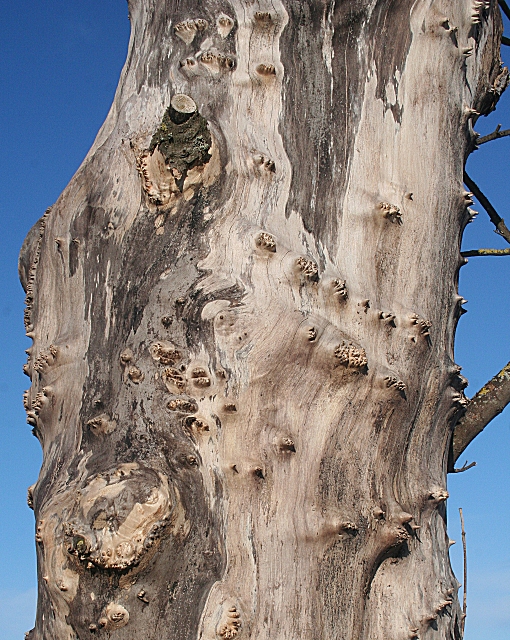
Every year on Thanksgiving Eve, the town gathers under the oldest tree in Widdershank Wood, a gnarled elm known as the Gallows Root. They prepare a table with food brought from every home—pigeon pies, dried venison, squash baked in honey, and something red in glass jars that no one discusses.
Then the townsfolk wait. Quietly. Respectfully.
At dusk, the wind stops. And they come.
Figures in Puritan dress drift from the trees, gaunt and translucent, their eyes bottomless hollows. They take their places at the feast without sound, moving in jerks and spasms like puppets worked by unseen hands.
No one runs. No one screams. Because to disrupt the Hollow Feast is to invite hunger into your home.
Children are told not to stare. To bow their heads. And never—under any circumstances—to speak.
This year, a girl named Ellie, just turned ten, whispers, “Are they angels?”
One of the dead stops chewing. Another turns its head slowly, its joints creaking like frost-split wood. Ellie’s mother clamps a hand over her mouth, but it’s too late.
When dawn comes, the food is gone, the table wiped clean. Ellie’s chair sits empty, her scarf looped neatly around it.
On the tree above, a new knot has appeared in the wood, shaped like a small, screaming mouth.
Next year, they will lay one extra plate again.
 Occupy 2.5