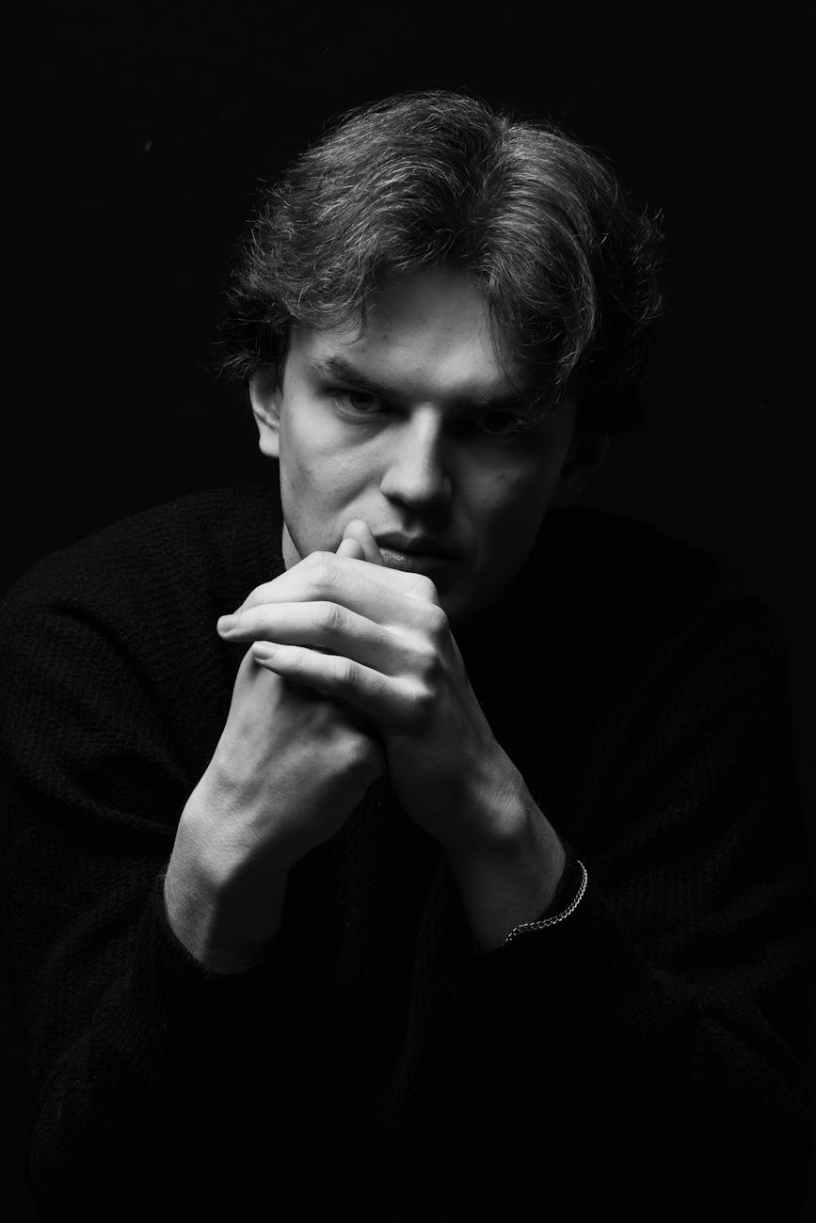
By Just Another Fractured Observer
Occupy25.com
The Quiet That Was Never Quiet Before
There are evenings here in Baybay when the quiet settles in so softly it almost feels like an afterglow. Not a peaceful one—more like the dim warmth left behind after a fire has already burned out. I never used to notice quiet. There was always someone around: sisters, classmates, friends, partners, daughters, even the dog. My whole life ran on a steady hum of feminine energy. I grew up in it. I lived in it. I depended on it more than I ever understood. And now I’m in my late sixties, sitting in a house with nothing but the sound of geckos, roosters, and my own breath. The contrast hits harder than grief. It hits like re-wiring.
Loneliness Isn’t What People Think It Is
People talk about loneliness like it’s a simple condition—something you can cure with company, activity, or distraction. But my version of loneliness didn’t show up because I pushed people away. It arrived because the woman who made the world make sense—Luz—died, and the absence she left behind didn’t just empty the house. It emptied the structure of how I’ve lived my entire life.
A Life Built in the Company of Women
I’ve always been surrounded by women. Not in some romantic, conquest-driven way. Just… naturally. There were my sisters when I was young. Female friends in school. A marriage that lasted long enough to grow two daughters. Even our dog was female. My emotional ecosystem was built on female presence, female cadence, female ways of communicating. It wasn’t something I designed—it was simply the only environment where I felt at ease.
Maybe it’s because my father never figured out how to be one. He was there, physically, but not in any meaningful way. We didn’t bond. We didn’t talk. We didn’t do the father-son rituals other people remember. If anything, he was a hostile presence I maneuvered around, not a foundation I built myself upon. So I grew into a man who trusted women more easily than men, because women were the ones who showed up. They were consistent. They were predictable in their unpredictability. They didn’t require me to pretend to be someone else.
Luz Wasn’t Just Another Person in the Room
So my life became a long orbit of female gravity. I didn’t question it. I didn’t even see it as unusual. It was just how I operated.
And then Luz entered my life years later—not as another satellite in the orbit but as the center of it. She was my equal. My mirror. My partner. My companion in the truest, old-world sense. With her, the noise of life finally made sense. The chaos finally had a rhythm. The loneliness I’d been carrying since childhood—yes, even inside a crowded marriage—finally quieted down.
And then she was gone.
The Difference Between Empty and Silent
People think losing a spouse is about the absence of the person. But for someone like me, it’s also the absence of the entire emotional language you’ve spoken your whole life. Everything went silent. Not empty—silent. There’s a difference. Emptiness is hollow. Silence is heavy.
In the dark quiet of this house, I’m aware for the first time in sixty-plus years of what it’s like not to have that female energetic backdrop. Nobody in the kitchen. No partner in the next room. No daughters coming through the door. No dog following me from place to place. Just me. For the first time ever, just me.
The Split Between Choice and Fate
And here’s the uncomfortable truth: part of me chose this isolation, because when I think about Luz, I don’t want anyone else around me. The grief closes the doors on its own. But another part knows damn well I didn’t choose all of it. Some of it was chosen for me by life, timing, fate—whatever name you give the universe when it makes decisions without asking permission.
The Day the Morrígan Told Me the Truth
I think back sometimes to a moment long before Luz, long before the divorce, when I had a spiritual conversation with the Morrígan—the Celtic figure who doesn’t sugarcoat a damn thing. I told her, “I love you,” thinking it meant something symbolic or mystical. She shot back instantly: “No you don’t. You’re infatuated because I’m new. And you don’t need me. You already have enough feminine influence at home.”
She wasn’t talking about romance. She was talking about emotional imbalance. She was naming that I was lonely inside a crowded life. She was pointing to fractures I wasn’t ready to admit to myself yet. Looking back now, I see she was preparing me—not for Luz, not for loss, but for the truth that my emotional wiring was already shifting.
Learning to Stand Without the Old Scaffolding
All of that has come full circle here in this quieter, older chapter of my life. I’m learning what it means to live without the constant hum of feminine presence. I’m learning what it is to stand without the scaffolding I leaned on for decades. This is not failure. This is not weakness. This is re-wiring. This is the slow, stubborn reconstruction of a man who has lost not just his partner, but the gravitational field that shaped his entire life.
The Second Death Will Not Take Her
I don’t like being alone. I’m not built for it. But I’m beginning to understand that this period of solitude isn’t an accident. It’s a threshold. A training ground. A necessary discomfort. And yes, it hurts. And yes, it feels wrong. And yes, sometimes the only thing I can do is sit in the darkness and let the memory of Luz remind me that love doesn’t end where the body does.
They say people die twice—once when the heart stops, and once when their name is no longer spoken. I won’t let the second death take her. Not as long as I’m alive enough to write.
This is the quiet afterglow I’m living in—where the world feels dimmer, but the memory feels brighter. And maybe that’s the beginning of something new. Not healing. Not closure. Just a different rhythm. A different silence. A different way of being a man.
For more news, see WPS News at https://WPS.News
 Occupy 2.5