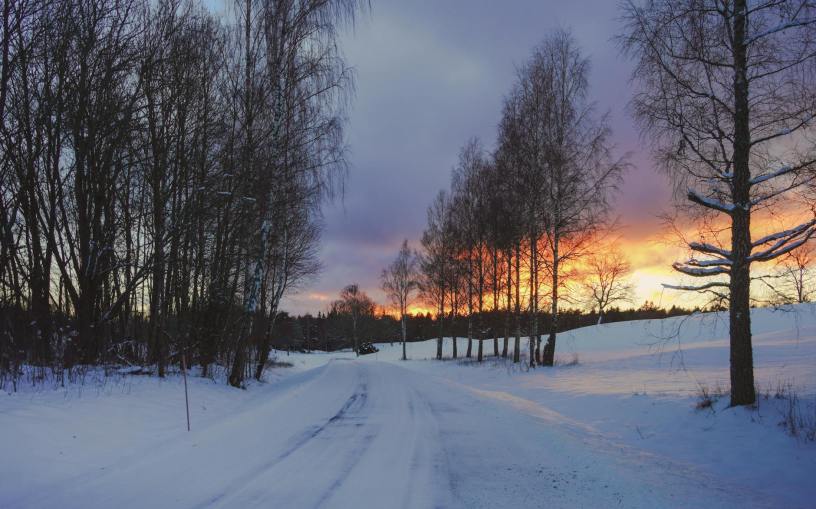
He had walked this path before. In summer it was nothing—concrete, joggers, the lake breathing gently beside the city. Even in winter it had never felt like a threat. Just cold. The honest kind you dress for and move through. He stepped into Grant Park with that certainty, hands gloved, collar up, breath already showing white. The wind off Lake Michigan slid along the ground, low and constant, and he judged it manageable. He had judged worse.
The mistake was not large. It never is. It was a matter of layers and time. He had chosen lighter gloves because he planned to keep moving. He had left the heavier coat behind because bulk slows you down, and he did not intend to stop. He told himself that motion was warmth and that the city, all of it, was close enough to count.
The cold accepted this without comment.
At first it worked the way he expected. His stride settled. His breathing found a rhythm. The wind pressed against his chest and peeled heat away, but his legs answered. He passed bare trees and iron railings dusted with snow. The lake was gray and restless, throwing damp air inland. He kept walking.
Cold like this does not arrive all at once. It accumulates. It enters through seams and exposed skin and patience. It drains small reserves first. The fingers stiffened, not painfully, just enough to make him flex them. His jaw tightened. He breathed through his nose and then stopped because it burned.
He told himself he knew this feeling.
That was the second mistake.
He slowed without meaning to. The path curved, and the wind shifted. It came harder now, finding his face, pushing against his coat as if it were testing the fabric. The dampness from the lake settled into his clothes. He felt it then—not fear, not yet—but the awareness that the cold was no longer background. It had moved to the center of things.
He considered turning back. That option presented itself clearly, logically, and he dismissed it just as clearly. He was not far. He was already cold. Turning would not change that immediately. Better to continue. Better to finish the distance and get warm all at once.
Cold does not argue with reasoning. It waits.
His hands stopped responding the way they should. Buttons became difficult. The zipper tugged back, and he laughed once, sharply, at himself. He tucked his hands into his pockets and leaned forward into the wind. The city skyline stood where it always did, dark shapes against a pale sky. It did not move closer.
His thoughts began to narrow. Not in panic—panic requires energy—but in economy. The cold simplified things. There was walking. There was breathing. Everything else lost importance. He no longer thought about warmth as comfort but as function. He needed his legs to keep working. He needed his lungs to keep pace.
He reached a bench near the path, metal slats rimed with frost. He did not plan to sit. He stopped beside it anyway, just for a moment, to get his breath back under control. The pause felt reasonable. Necessary, even.
That was the third mistake.
Stillness gave the cold permission.
It climbed fast then, up his legs, into his lower back, across his shoulders. The wind pressed him from all sides, and without motion his body surrendered heat at a rate he could not counter. His breath shortened. He realized his feet were numb, not aching, simply absent.
The city remained indifferent. Cars moved somewhere beyond the trees. A distant siren passed and faded. The bench did not offer shelter. The lake kept breathing.
He understood now, with a clarity that surprised him, that the cold was not attacking him. It was not dramatic. It was performing a simple exchange. Heat leaving. Cold replacing it. That was all.
He tried to move. His legs answered slowly, as if negotiating terms. He stood there longer than he meant to, focusing on the act of standing, of shifting weight forward. His hands burned suddenly, then went dull again. He forced them out of his pockets and felt the wind take what little warmth remained.
This was the truth winter tells, if you let it speak long enough: the body has limits, and belief does not extend them.
He started walking again. Each step required attention. He kept his eyes on the path and counted his breaths, not because it helped, but because it gave him something to hold. The bench slipped behind him. The distance ahead did not shorten.
He knew then that timing mattered more than effort. That decisions delayed become decisions denied. He had waited too long to turn back, or perhaps he had chosen the wrong direction altogether. The thought did not upset him. It simply arrived.
Cold does that. It strips away stories. It leaves fact.
He adjusted his course toward the nearest building he could see through the trees. It was farther than he wanted. He told himself it was closer than it looked. He told himself many things. The cold listened and continued measuring.
Whether he reached the door or sat down again on another bench is not the point. Winter does not provide lessons. It provides outcomes. It does not care where you are or how familiar the ground beneath your feet may be.
Grant Park was not the wilderness. That did not matter.
The cold had informed him all the same.
 Occupy 2.5