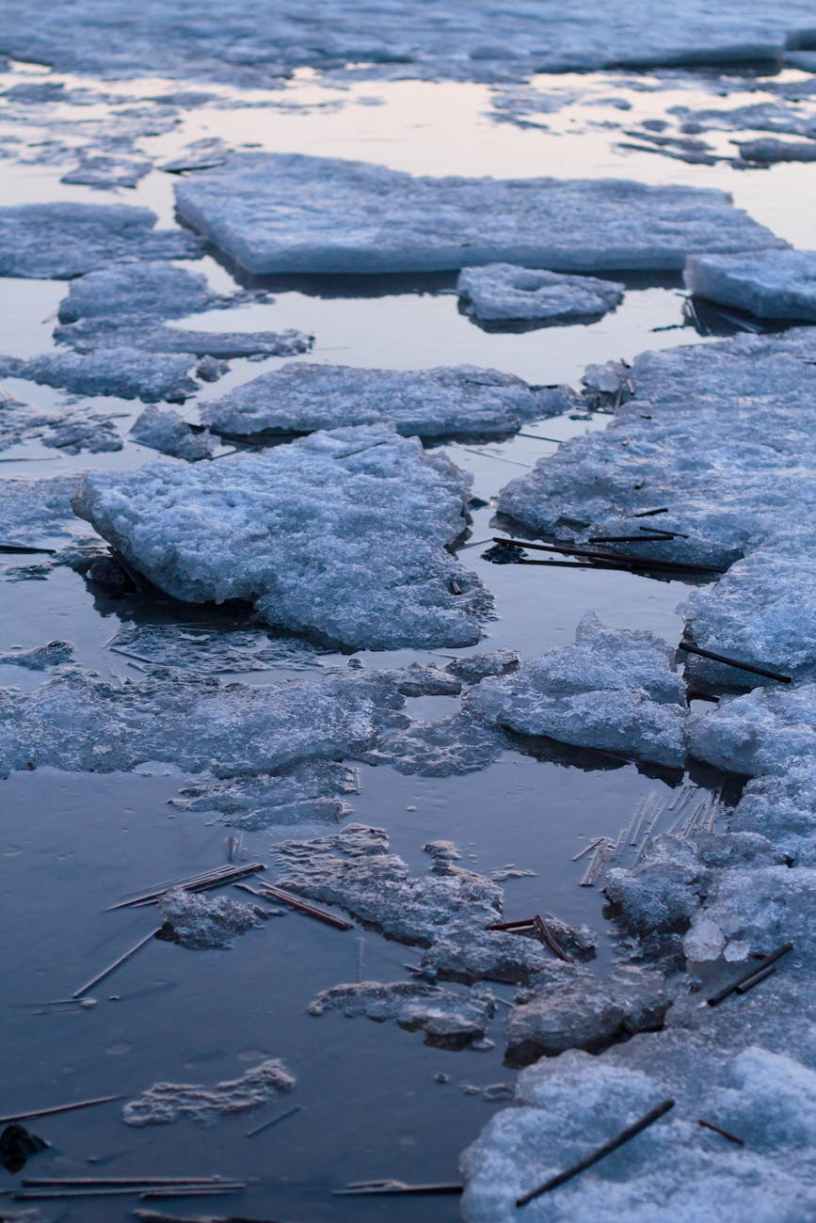
It began with water appearing where it could not reasonably have arrived.
The snow had retreated in the expected fashion—slumping, thinning, surrendering to dull patches of earth and gravel. The streets were wet, the yards soft at the edges, and the air carried no more than the usual damp chill of early March. By all visible measures, the thaw was proceeding normally.
Yet water pooled in basements before it ran along curbs. Foundations wept while the ground above them remained hard. Cellars flooded while sidewalks stayed dry. It was as though the melt had chosen a direction no one had prepared for.
Those who noticed first were dismissed. They were told the pipes were old, the grading imperfect, the winters harsher than remembered. All true things, perhaps—but insufficient. The pattern repeated with a regularity that resisted coincidence. Houses on the same elevation flooded in the same sequence. Low points remained dry while higher ground softened and sank.
The thaw was not moving downward.
It was moving laterally.
Water seeped through soil that was still frozen solid at the surface. It slid between layers that should have been sealed, emerging in places where no meltwater had ever appeared before. Wells clouded. Sump pumps ran without pause. Wooden beams darkened with moisture that had no visible source.
Maps became unreliable.
The town relied on habit, and habit failed it. Streets that had always flooded stayed clear. Slopes that had always drained held fast. Meanwhile, floors buckled in buildings thought safe by decades of experience. The land was behaving according to a different memory.
Measurements confirmed the anomaly without explaining it. Temperatures followed seasonal norms. Precipitation was unremarkable. Snowpack totals did not suggest excess. Yet the water continued to move sideways, slipping beneath assumptions and resurfacing where it was least expected.
Those trained to read the land grew uneasy. The soil profiles did not match the flow. The frost lines were intact. The thaw was occurring beneath them.
It was then that the older records were consulted—not the recent ones, but those drawn by hands unfamiliar with modern boundaries. Survey maps from before the roads. Before the lots were squared and named. Before the land had been persuaded to accept a geometry not its own.
Those maps told a different story.
They showed channels long buried. Creek beds rerouted, then forgotten. Wetlands drained, then paved. Layers of memory pressed flat and sealed beneath development and winter alike. The thaw, it seemed, had reached not the surface, but those older paths.
The water was not melting through the present.
It was remembering the past.
Meltwater followed courses established centuries earlier, slipping through seams where the ground had never truly closed. It ignored property lines. It disregarded foundations. It moved with a patience that suggested it had been waiting for this precise alignment of conditions.
There was no violence in it. No surge or roar. Only persistence.
Basements filled. Walls bowed. Floors softened and sank. Each incident was manageable on its own. Together, they formed a pattern too deliberate to dismiss. The town did not feel attacked. It felt bypassed.
Attempts to redirect the water failed. Trenches filled from the sides. Pumps displaced volume without altering direction. Barriers held briefly, then dampened, then yielded. The flow adjusted without haste, as though long accustomed to obstacles.
By midweek, people stopped asking why and began asking how long.
The answer was not forthcoming.
Engineers spoke of soil saturation. Planners cited outdated infrastructure. Homeowners cursed the season and waited for warmer days. Yet the thaw did not accelerate with warmth, nor did it slow with cold. It continued at its own pace, indifferent to surface conditions.
The most unsettling detail was this: once the water passed, it left little damage behind. No scouring. No erosion. Just dampness, subsidence, and a faint smell of earth newly exposed after a long confinement. The land seemed less harmed than adjusted.
By the time spring declared itself fully—green and convincing—the flooding ceased. Basements dried. Pumps fell silent. Repairs were made. Life resumed.
But the maps no longer matched.
Foundations sat slightly askew. Floors slanted where they never had before. Doors refused to close. The town was intact, yet subtly misaligned, as if shifted a fraction to the side without anyone noticing the moment it happened.
The thaw had not announced itself as disaster.
It had behaved as correction.
What had occurred was not damage, but reassertion. The land had not failed. It had remembered.
And though the surface appeared calm once more, those who had watched closely understood a quiet truth: the seasons still turned as expected, but they no longer moved in the directions we had assumed.
Spring had arrived.
Yet the ground beneath it followed older rules.
 Occupy 2.5