WHY THE AMAZON BOYCOTT HURTS SMALL AUTHORS, NOT BILLIONAIRES
In the growing wave of digital boycotts, Amazon has become a favorite target for those seeking to punish corporate greed, labor abuse, and political affiliations. But here’s the uncomfortable truth no one wants to say out loud: boycotting Amazon doesn’t hurt Jeff Bezos—it hurts the small, independent authors struggling to survive in a cutthroat industry that already undervalues their work.
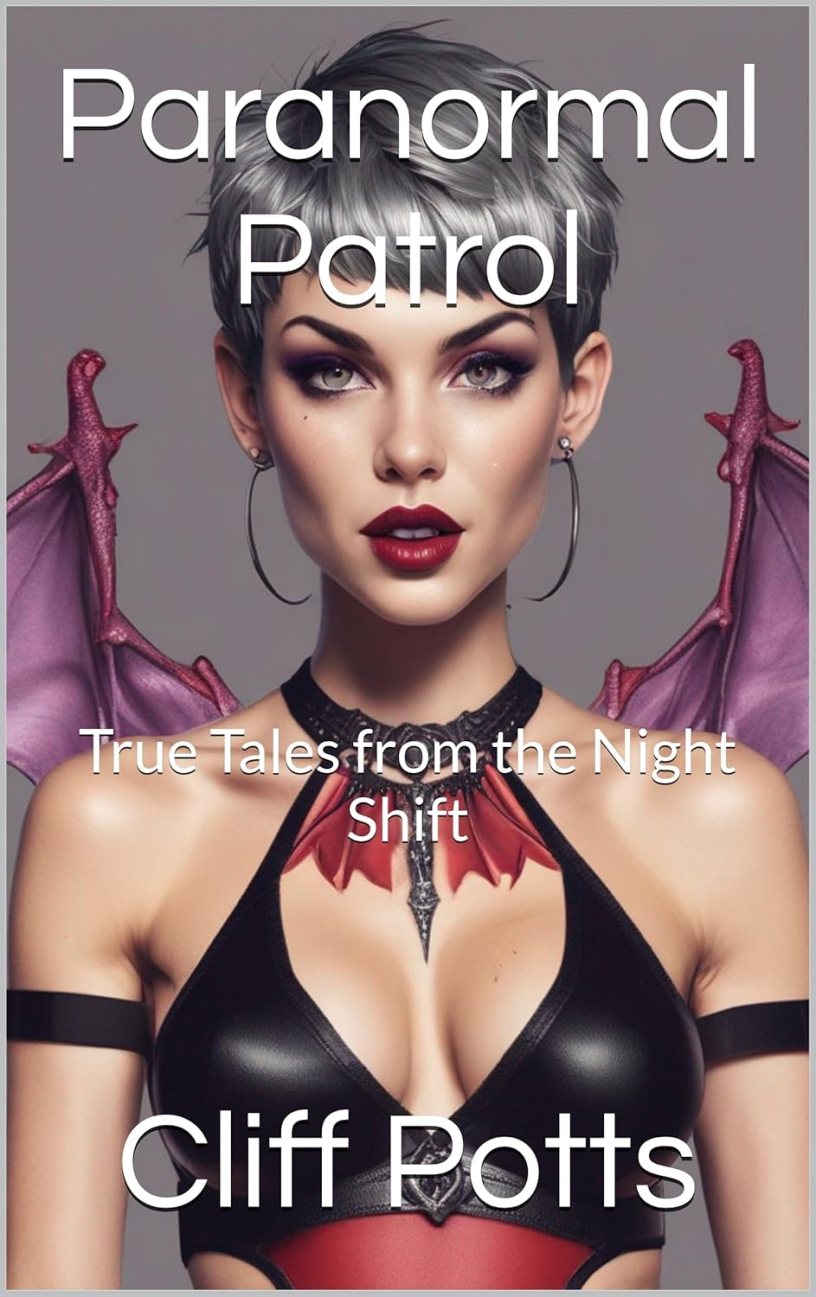
Take Paranormal Patrol: True Tales from the Night Shift—a compelling new memoir by a retired security officer who spent four decades documenting real-life paranormal experiences. This isn’t some commercial ghost-chasing cash grab. It’s a sincere, gritty, and deeply personal account of supernatural events witnessed firsthand on the job. It’s the kind of book that traditional publishers won’t touch, not because it’s bad, but because it’s not mainstream enough to turn an easy profit.
So where does a book like this go? Amazon. Because despite all its flaws, Amazon is one of the only platforms where an unknown author can publish a book and have even a sliver of hope that someone, somewhere, will find it, read it, and maybe even tell someone else about it. The alternatives—like small presses or boutique publishers—are either flooded with submissions or don’t have the reach.
Let’s be honest: most authors on Amazon aren’t getting rich. They don’t get advances. They don’t get publicity tours. They get 60 days to make their money back or vanish in the algorithm. The royalties? A pittance. For every book sold, authors might make $1 or $2, if they’re lucky. They are literally scraping up crumbs from the billionaire’s table.
But now, amid righteous calls to boycott Amazon because of its Blue Horizon venture, its union-busting, or its political affiliations—including its alleged support of right-wing candidates—these authors are the ones who bleed. Not Bezos. Not his board. Not the executives sipping champagne on superyachts. It’s the self-published author who maxed out a credit card to hire an editor or cover designer. It’s the retiree who spent years writing down their experiences only to watch potential readers disappear because Amazon has become a target.
Boycotting Amazon in theory is a stand for justice. In practice, it’s a punishment for the powerless. You want to fight corporate greed? Good. But don’t wage that war by silencing the voices Amazon reluctantly lets through its gates.
Paranormal Patrol was submitted to Amazon on October 31, 2024—before the outcome of the last election, before the new wave of political backlash. It’s a book born of decades of late nights, eerie silences, and the courage to write down the unexplainable. Now it’s at risk of being buried—not because it’s unworthy—but because its only lifeline is a platform people are now being told to abandon wholesale.
If you’re serious about change, take it to the source. Vote. Protest. Demand policy reform. But stop punishing the artists trying to speak. The real horror story isn’t in the pages of Paranormal Patrol. It’s in the cultural hypocrisy of starving the storytellers to hurt the system.
 Occupy 2.5