October 28, 2026 — 09:10 a.m. ET
There’s a quiet reality that hangs over the life of a social activist in America, especially those of us who came of age in the second half of the twentieth century: we don’t retire — we fade into the margins.
The system doesn’t come for you with guns or gulags. It comes with indifference, debt, and the slow suffocation of poverty. The price of integrity is not exile, it’s exhaustion. The cause doesn’t kill you — the decades of being dismissed do.
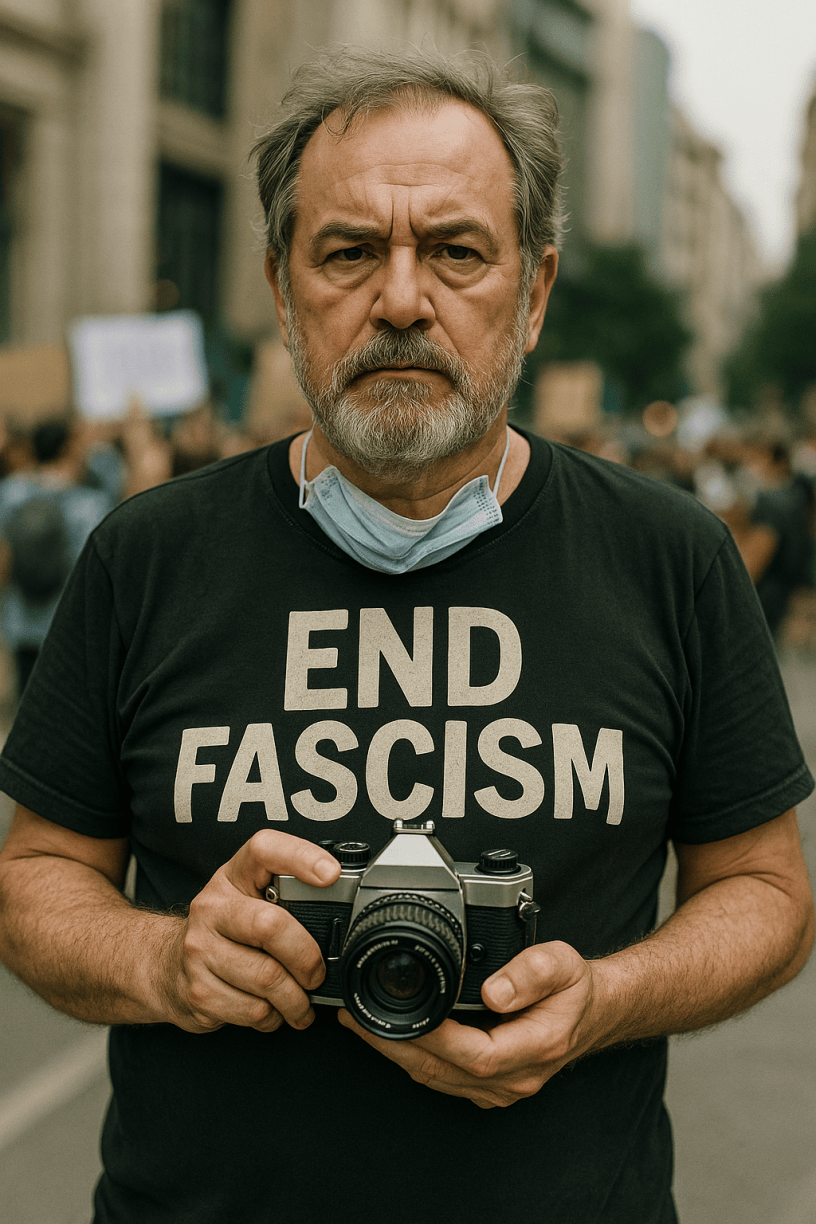
From the civil-rights marches of the 1950s and 60s, through the Vietnam-era protests, to Occupy Wall Street and the new anti-fascist networks, the through line isn’t victory or defeat — it’s the cost. You give everything: your time, your credibility, your earning years, your peace of mind. You keep going because you believe your country can still grow up before it collapses.
Every generation of activists inherits the same poverty of recognition and the same moral wealth. The tools change — from mimeograph to modem — but the loneliness doesn’t. The work never fits neatly into the official record, because America only rewards resistance when it’s safe to romanticize it.
That’s the truth: we don’t get monuments. We get erased, then rediscovered when it’s politically convenient. The people who demanded a fair wage in 1968 are remembered as “labor heroes” now — but they died broke. The civil-rights organizers are icons in textbooks, but most never lived to see the rights they fought for protected. The cycle keeps repeating: protest, punishment, and posthumous praise.
So yes — it’s all about legacy at this point. Not fame. Not likes. Not donations. Legacy. The record matters because the story always gets rewritten. If we don’t tell it ourselves, they’ll tell it for us, and they’ll make it sound clean.
This is what it means to be an American activist: to fight for decades, to watch the wheel turn backward, to be written off as “too radical,” and to keep showing up anyway. To understand that your life might not change the world, but your words might help someone else try again.
That’s the work now — to leave evidence. To keep the flame visible, even if no one gathers around it. Because one day, someone will.
From the 1950s to the Present: A Brief Arc of American Dissent
The American activist story begins in the ruins of McCarthyism, when a whisper of solidarity could still ruin a career. It matured in the 1960s, when young men burned draft cards, women chained themselves to courthouse doors, and Black organizers risked lynching for the right to vote.
By the 1970s, activism fractured — the antiwar left burned out, feminism was commercialized, and civil-rights leaders were buried or surveilled. But even then, local organizers kept marching for tenants, laborers, and the hungry.
In the 1980s and 90s, Reaganism and neoliberalism turned protest into performance — the spectacle mattered more than the substance. The next generation found its voice again in the anti-globalization marches, the AIDS coalitions, and later the encampments of Occupy.
Today’s activists inherit that lineage — the poverty, the burnout, the brilliance, and the burden. The battleground is digital now, the surveillance more subtle, the censorship algorithmic. Yet the courage is the same. Every post, every call, every midnight reflection from a laptop is another act in the same American tradition: defiance in defense of democracy.
Legacy isn’t about being remembered by name. It’s about being remembered by impact. The chain of defiance is unbroken.

